Where Your Tank Stands Now
- Most gas water heaters in South Dakota hold up for 8 to 12 years before the tank itself gives out.
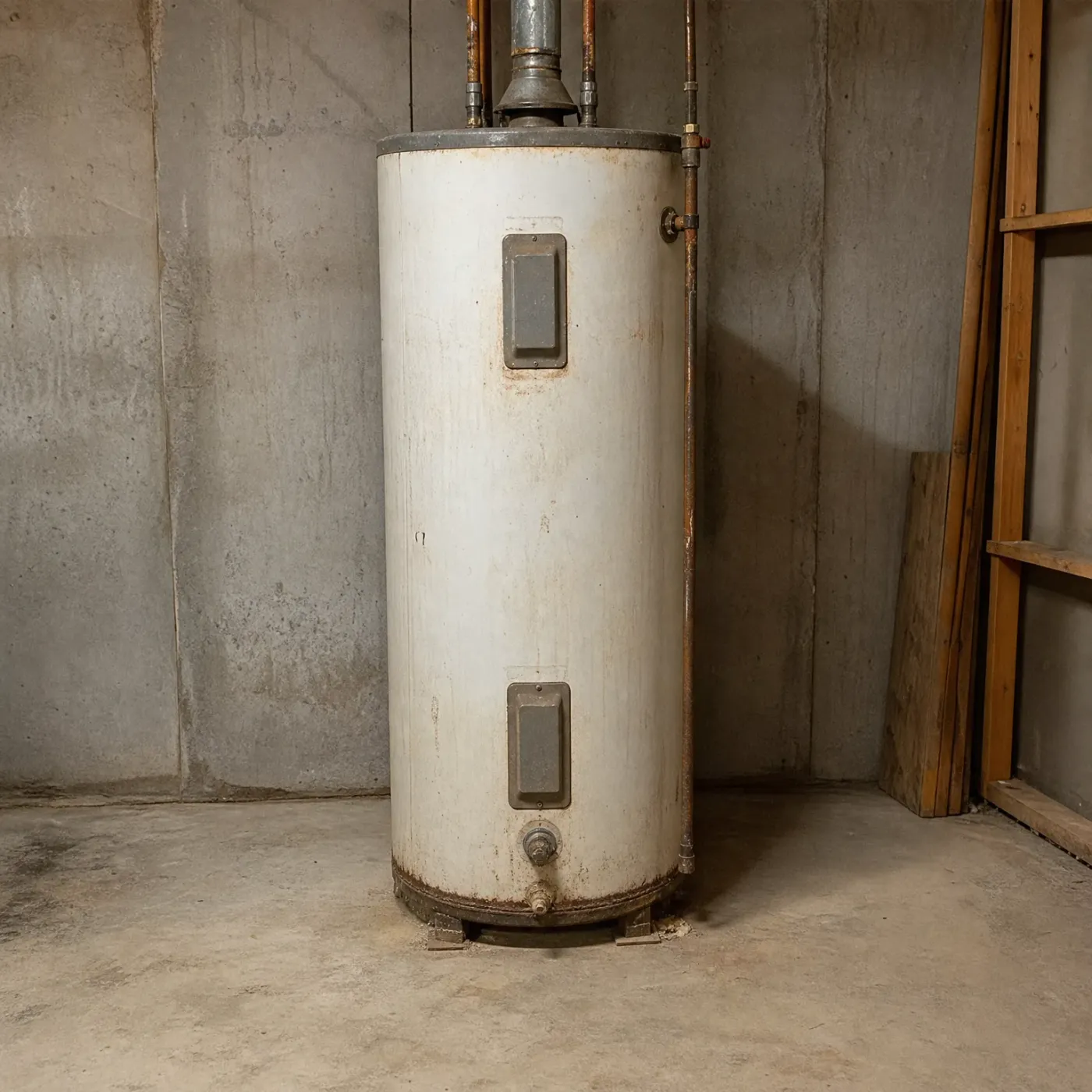
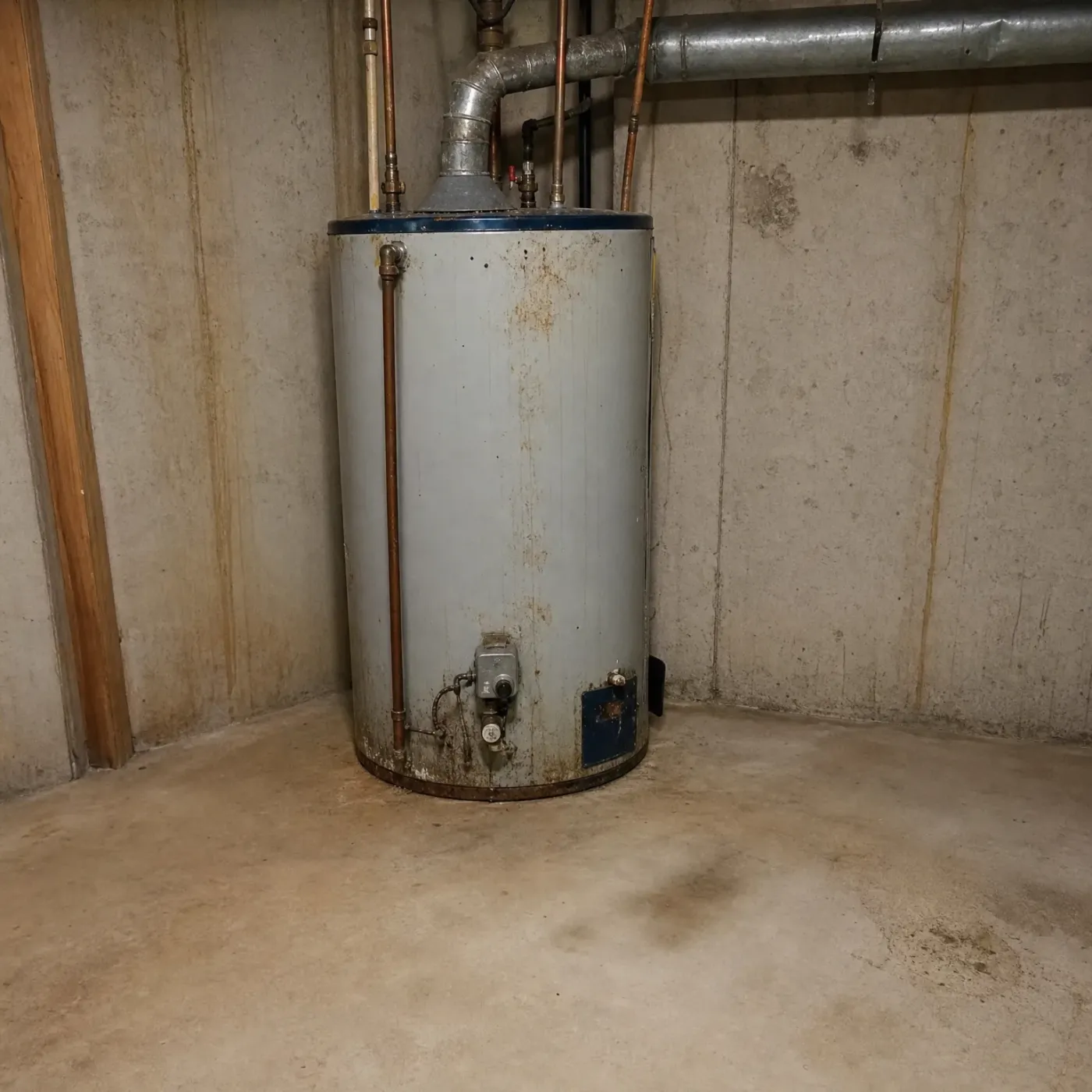
- Rust at the jacket seams or a spent anode rod are the signs that a tank is near the end, not just acting up.
- A licensed local installer who works on gas tanks all year already knows which brands and parts tend to fail first here.
- Working with one local contractor means one visit and one quote, not a string of calls to sort through.
- Past year 12, the risk shifts from a slow decline to a tank letting go at the seams without warning.
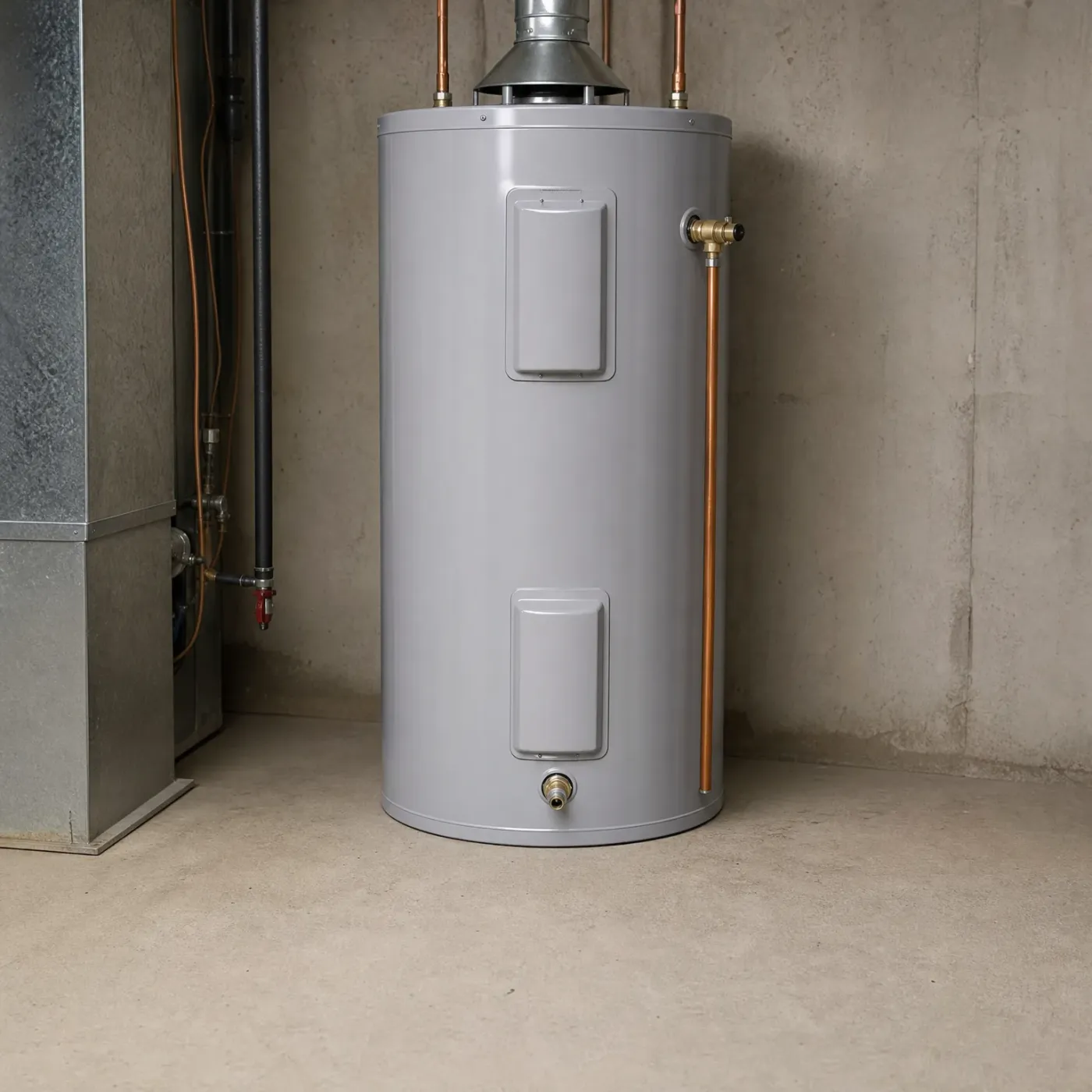
Eight to twelve years is the honest answer for a gas water heater in South Dakota. The burner and flue run hot at the bottom of the tank, and that heat wears the steel and the glass lining faster than an electric tank's elements do. Inside, the anode rod is what buys you that stretch of years at all, corroding in place of the tank until it's used up. Once it's gone, the water starts working on the steel directly, and that's when rust shows up at the jacket seams or around the access panel. That's not a sign to wait and watch. It's the tank telling you it's near the end, the same way a spent rod or a soft spot in the steel would.
Past year 12, the question isn't whether the tank will fail, it's whether it fails slowly or lets go at the seams and soaks the floor around it. Either way, you're better off knowing where your tank stands before that decision gets made for you.
When it's time to replace it, you're not stuck calling around and repeating the same story to five different companies. A local contractor who installs gas water heaters all year in South Dakota already knows which tanks hold up here and which ones don't, and you deal with one visit, one quote, and one person who knows the equipment.