Tell us about the job
Takes about a minute. No obligation.
Replacing a water heater here starts with the fuel question, not the tank size. Bottled, tank or LP gas heats more occupied homes in McPherson County, South Dakota than any other fuel, at 39.7% (2020-2024 ACS 5-year). A contractor quoting the job confirms what the home is already plumbed for, then specs a unit that matches it. LP gas burns differently from natural gas and requires its own orifice, regulator, and venting path. An installer who does not verify that match before ordering the unit creates a problem that shows up at commissioning, not at the quote stage.
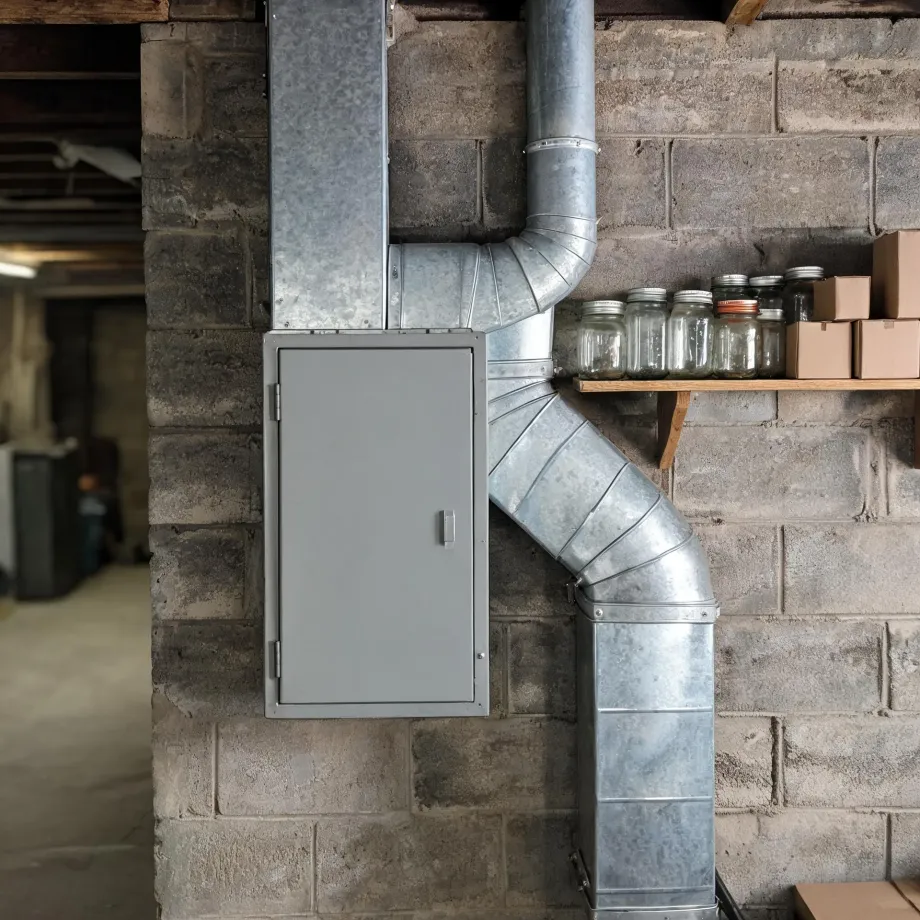
Ductwork laid down for one generation of equipment rarely lines up with what a new water heater requires. Half the homes in McPherson County, South Dakota were built in 1962 or earlier (2020-2024 ACS 5-year). A contractor sizing and routing for a new unit in housing this old has to check what is already in the walls before the equipment choice means much at all. The electrical service, too, was put in for a load that may look nothing like what a modern water heater draws. Those two things, the existing duct path and the panel's available capacity, are where the installation either moves forward cleanly or stalls.
What a Water Heater Installation Covers
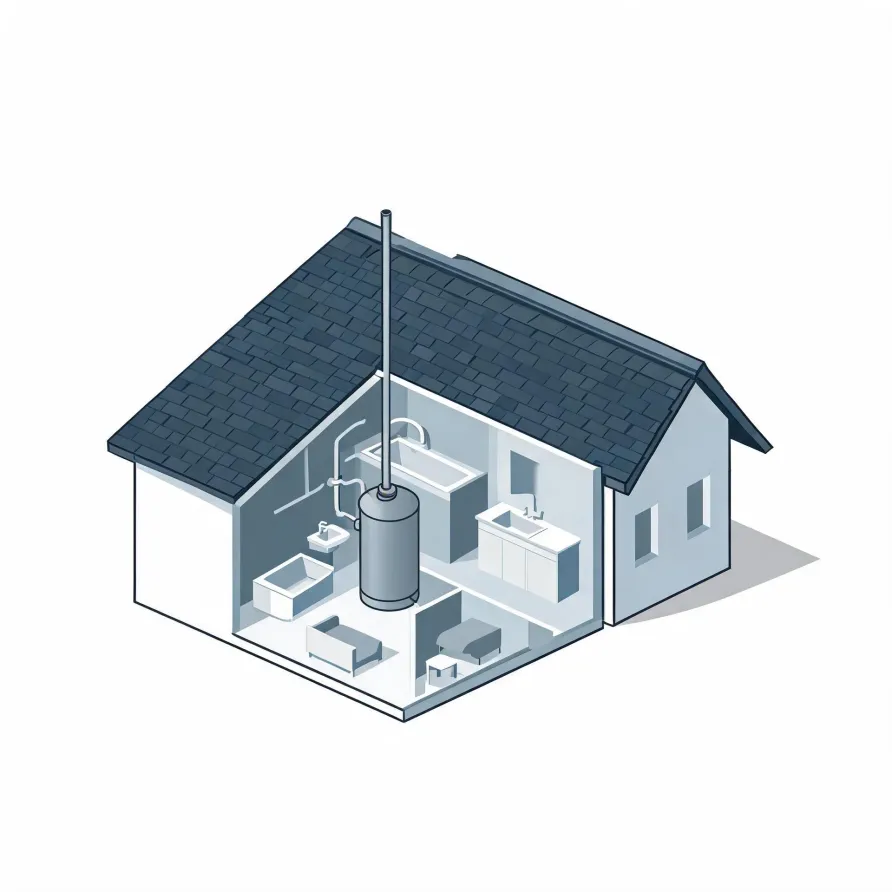
The tank or tankless unit is the heart of the system. A storage tank sits in a utility closet, garage, or basement and holds a supply of heated water ready to draw from. A tankless unit mounts on a wall and heats water only when a tap opens.
A pressure relief valve attaches directly to the tank and releases if internal pressure climbs too high. The cold water inlet and hot water outlet connections tie the unit into the home's supply lines, and the drain valve at the base lets a contractor flush sediment or service the tank.
The drawing shows a typical layout, and a licensed contractor determines what fits the configuration of your specific home.
Find a contractor in McPherson CountyMcPherson County, South Dakota, by the numbers
199 severe weather events were recorded in McPherson County, South Dakota between 2015 and 2024.
NOAA National Centers for Environmental Information, Storm Events Database, bulk CSV export, events 2015-01-01 through 2024-12-31.Half the homes in McPherson County, South Dakota were built in 1962 or earlier (2020-2024 ACS 5-year).
U.S. Census Bureau, 2020-2024 American Community Survey 5-Year EstimatesMcPherson County, South Dakota holds 1,205 housing units (2020-2024 ACS 5-year).
U.S. Census Bureau, 2020-2024 American Community Survey 5-Year EstimatesOwners occupy 81.3% of the occupied homes in McPherson County, South Dakota (2020-2024 ACS 5-year).
U.S. Census Bureau, 2020-2024 American Community Survey 5-Year EstimatesSevere Weather Events in McPherson County
Weather in McPherson County puts real demand on water heating equipment, from temperature swings that shift how hard a unit works to storm conditions that interrupt power and accelerate wear. That load history is local, and it shapes what a water heater installation here needs to account for.
199 severe weather events, 2015–2024. Source: NOAA National Centers for Environmental Information, Storm Events Database.