Tell us about the job
Takes about a minute. No obligation.
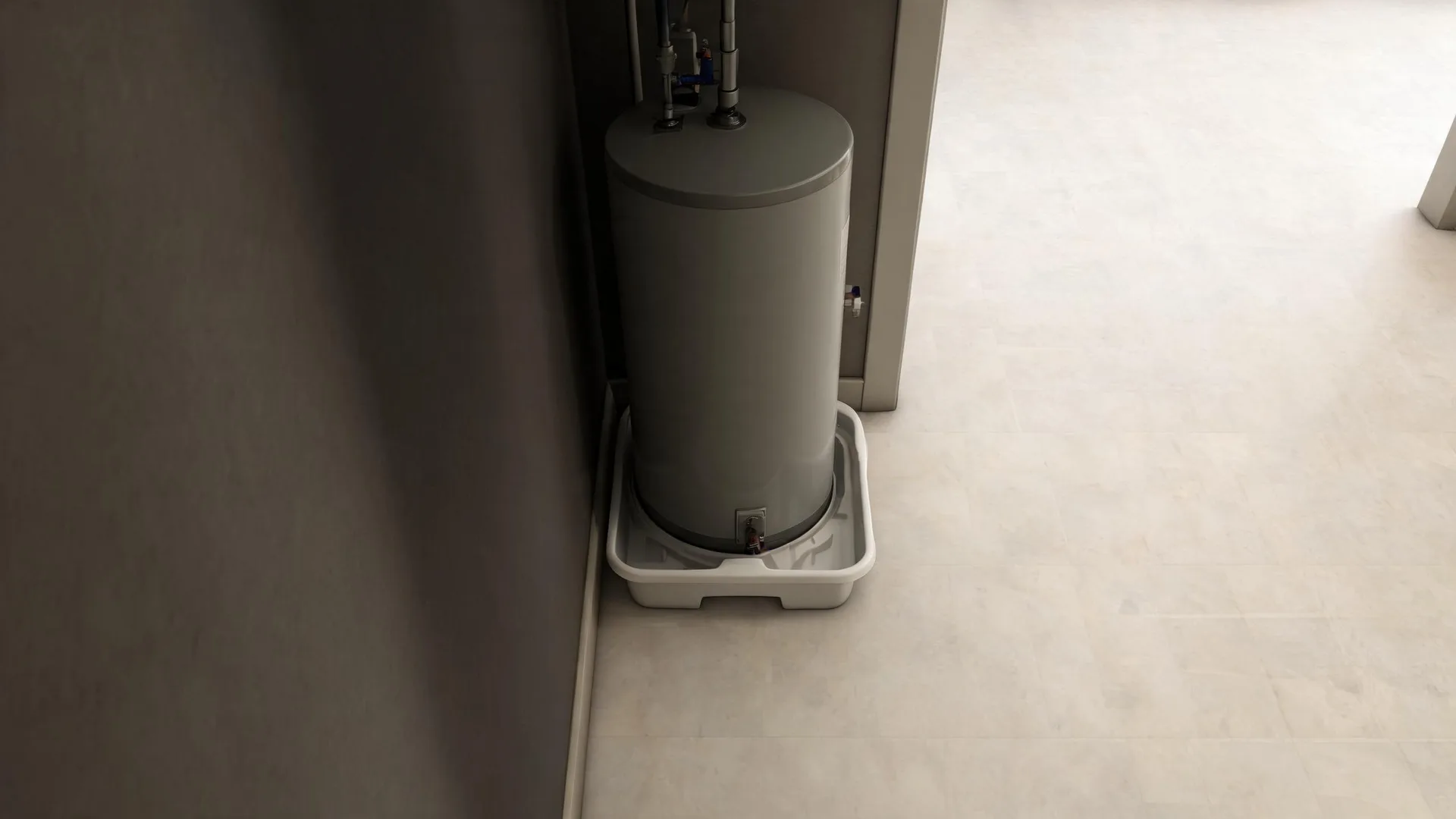
Gas water heater installation in Lawrence County starts with what is already in the house: the flue path, the combustion air source, and whether the existing gas line can carry the load a new unit draws. Utility gas heats more occupied homes in Lawrence County, South Dakota than any other fuel, at 53.2% (2020-2024 ACS 5-year). That majority means replacement units are overwhelmingly gas-fired, and the venting arrangement a contractor inherits shapes which models are even eligible. A direct-vent unit and an atmospheric-draft unit are not interchangeable on the same flue, so the quote follows an assessment of what the current setup will and will not accept.
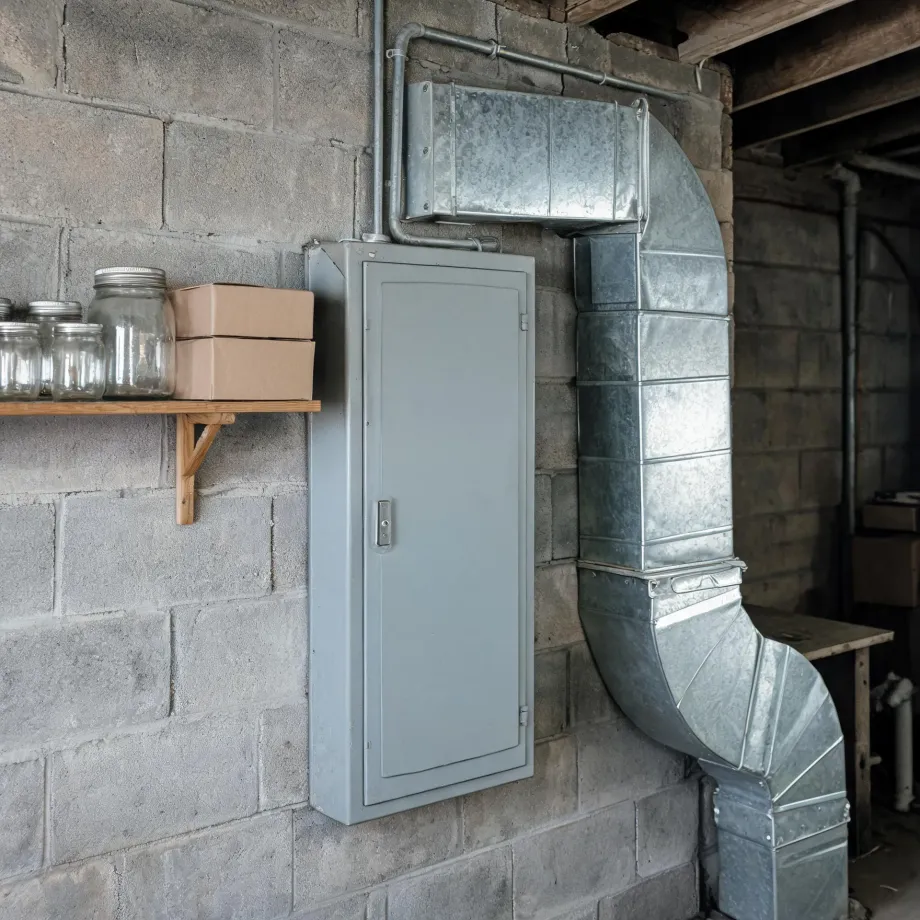
Ductwork laid out for one generation of equipment and now asked to serve another is where a water heater installation in Lawrence County gets complicated or doesn't. Half the homes in Lawrence County, South Dakota were built in 1987 or earlier (2020-2024 ACS 5-year). A contractor working in stock like this has to check what the existing runs were sized for and whether the venting and connections will carry what the new unit actually requires. That answer comes from what is in the walls, not from the unit being replaced.
What a Water Heater Installation Covers
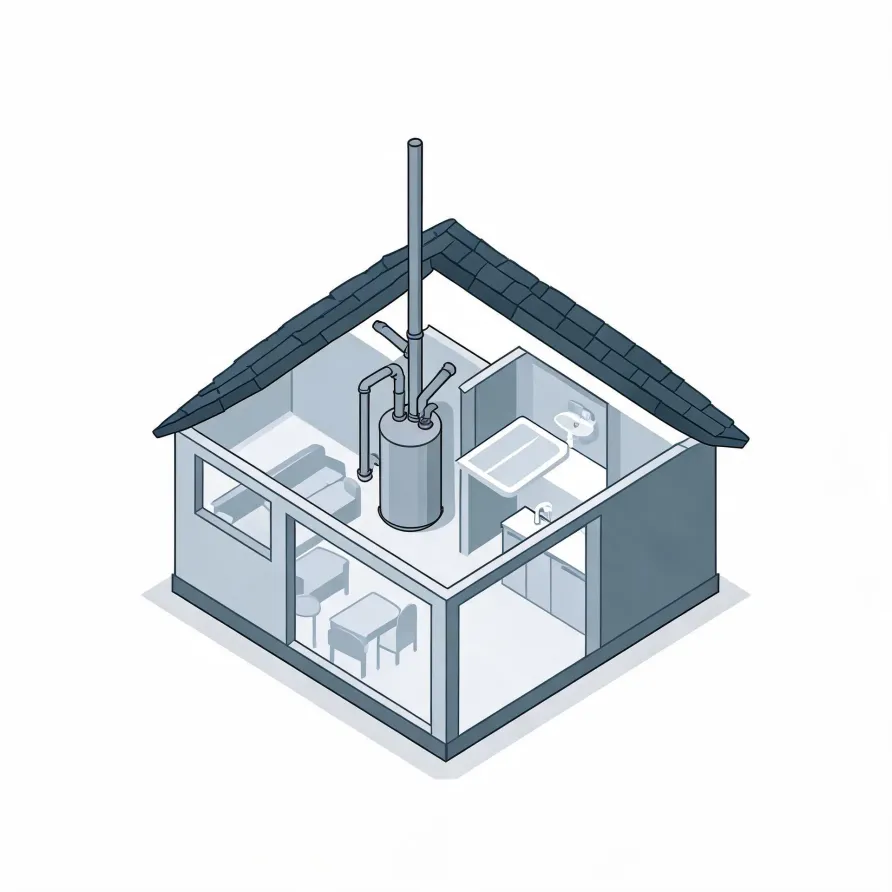
The tank or tankless unit is the heart of the system. A storage tank sits in a utility closet, garage, or basement and holds a ready supply of heated water. A tankless unit mounts on a wall and heats water only as it passes through, taking up far less floor space.
Connected to the unit are the cold-water supply line coming in and the hot-water line going out to every fixture in the house. A pressure relief valve mounts directly on the tank as a safety device, and the unit ties into either a gas line or an electrical circuit depending on the type being installed.
The drawing shows a typical layout, and a licensed contractor determines exactly what applies to your home and its existing connections.
Find a contractor in Lawrence CountyLawrence County, SD, by the numbers
390 severe weather events were recorded in Lawrence County, South Dakota between 2015 and 2024.
NOAA National Centers for Environmental Information, Storm Events Database, bulk CSV export, events 2015-01-01 through 2024-12-31.Half the homes in Lawrence County, South Dakota were built in 1987 or earlier (2020-2024 ACS 5-year).
U.S. Census Bureau, 2020-2024 American Community Survey 5-Year EstimatesLawrence County, South Dakota holds 14,840 housing units (2020-2024 ACS 5-year).
U.S. Census Bureau, 2020-2024 American Community Survey 5-Year EstimatesOwners occupy 65.1% of the occupied homes in Lawrence County, South Dakota (2020-2024 ACS 5-year).
U.S. Census Bureau, 2020-2024 American Community Survey 5-Year EstimatesSevere Weather Events in Lawrence County
Water heaters work harder when local conditions push household demand in ways a mild-climate unit was never sized for. How often Lawrence County sees severe weather is a practical input to what a contractor installs and how they spec it.
390 severe weather events, 2015–2024. Source: NOAA National Centers for Environmental Information, Storm Events Database.