

Running clean
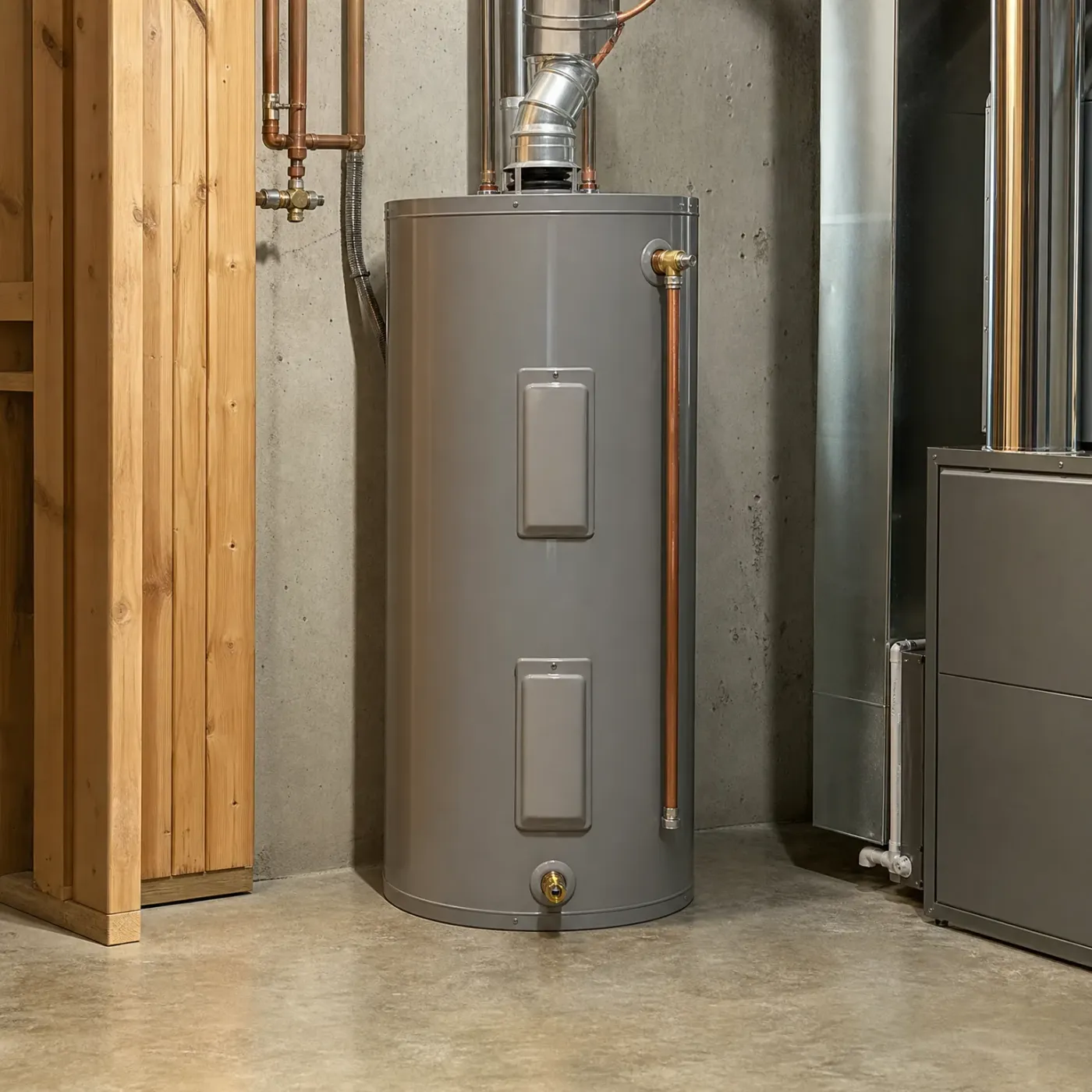
This tank heats quietly, with copper lines and fittings clear of rust. No popping, no rumbling, just hot water on demand. That's what a tank without a sediment problem looks like underneath the basics.
That popping or rumbling in your water heater usually means sediment has built up on the bottom of the tank, and it's worth having someone look at it before it gets worse. Hard water here in the Rapid City area tends to leave minerals behind, and that buildup is what's rattling around when the burner kicks on. A local contractor who works on these tanks all year knows what that sediment does over time and what to check once they're there. Answer a few questions about your water heater and you'll be matched with one licensed contractor who services Pennington County, not a handful of companies competing for your call. They'll reach out to you directly to talk through what's going on and what it takes to deal with it.
You've heard a popping or rumbling sound coming from your water heater, maybe when it's heating up, and it's loud enough that you've started paying attention to it. It's not a sound a water heater is supposed to make, and you want to know what's causing it before you decide whether it's something to worry about.
The popping comes from water trapped under a layer of sediment at the bottom of the tank. As the burner or element heats the tank, that trapped water turns to steam and pushes its way up through the sediment, and that's the popping or rumbling you're hearing. The water here in Pennington County runs hard, and hard water leaves minerals behind faster than it does in places with softer supply. The more sediment builds up, the harder the burner or element has to work to heat the same amount of water, and the tank itself takes more heat stress than it was built for. Left alone, that buildup is what shortens a water heater's life.
Sediment settles and hardens on the tank bottom over time.
The burner or element heats through that layer unevenly.
Water trapped under the sediment turns to steam pockets.
Steam bubbles push up through the sediment and pop.
2.37 people per household on average
About 2.37 people live in the average household here, and more people means more hot water drawn and more fresh mineral-carrying water refilling the tank.
Half the homes here were built by 1982
Half the homes in the county were built in 1982 or earlier, so if your water heater came with an older house, it may have had years to collect sediment unnoticed.
58.8% of homes heat with gas
Just under 60% of homes here heat water with gas, and a gas burner heats the tank from below, right where popping sediment tends to settle.
ACS 2020-2024
The noise itself isn't the problem. What it's telling you is the problem. Sediment sitting on the bottom of the tank acts like a blanket between the burner and the water, so the burner has to run longer and hotter to get the same result it used to get quickly. That shows up two ways. First, on the gas or electric bill, a few dollars a month that's easy to miss until you add it up over a year. Second, on the steel itself. A burner working harder against a layer of hardened mineral deposits heats the tank unevenly, and an uneven tank develops a hot spot. Steel that gets stressed the same way in the same place long enough eventually gives, and with a water heater that means a leak at the bottom of the tank. That's not a repair anyone can make. Once the tank itself is compromised, the whole unit needs replacing. None of that happens overnight, and a tank that's been popping for a few weeks isn't on the edge of failure. But it is further along than a quiet one, and the burner and element underneath are doing more work than they were built to do for however long that's been going on. Flushing the sediment out now is a straightforward job. Waiting until the tank is leaking is not.


The pro who gets in touch is licensed in South Dakota and works in Pennington County.
A Pennington County pro who repairs water heaters gets your request.
You only hire the pro if you want to.
The popping is probably loudest right after someone runs the dishwasher or a load of laundry, when the tank refills and starts heating again. You might also notice the water taking a little longer to get hot, or the tank itself feels warm to the touch on the outside near the bottom. Some homes see rust-colored water at the start of a hot shower before it clears. None of this is urgent in the way a leak is, but a tank that's been popping for a while is working harder than it should, and that shows up as higher water heating costs and a burner or element that wears out before its time.
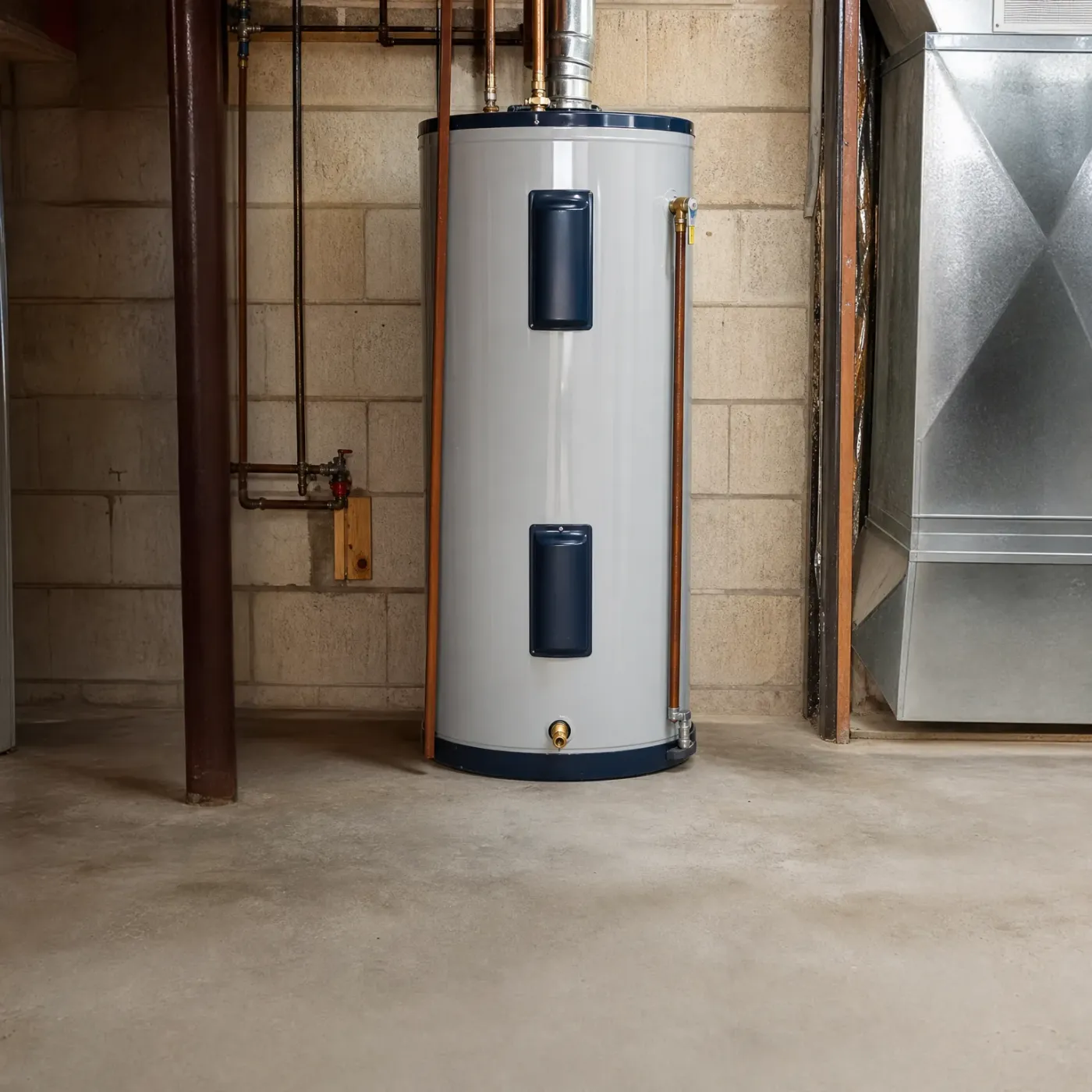
This tank heats quietly, with copper lines and fittings clear of rust. No popping, no rumbling, just hot water on demand. That's what a tank without a sediment problem looks like underneath the basics.
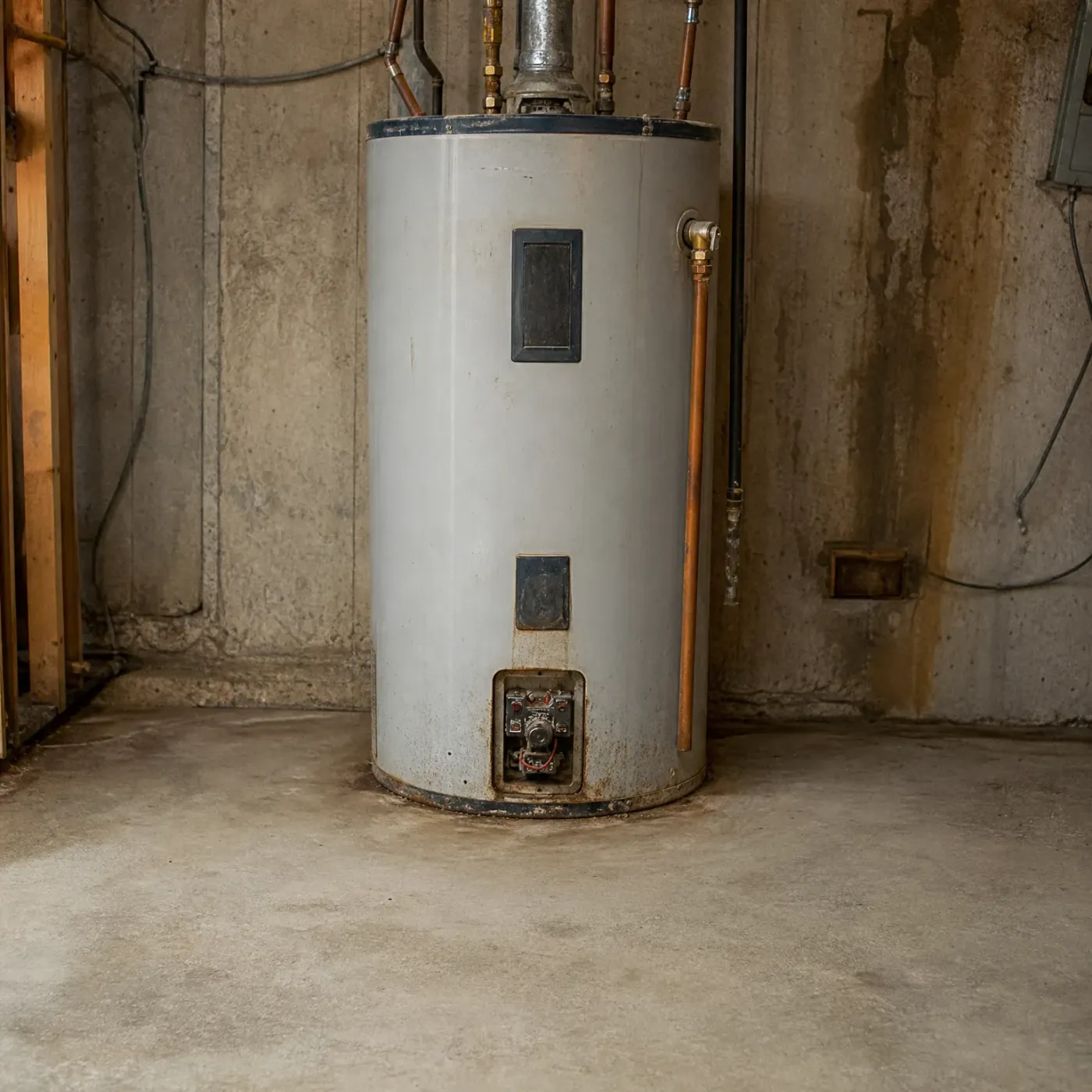
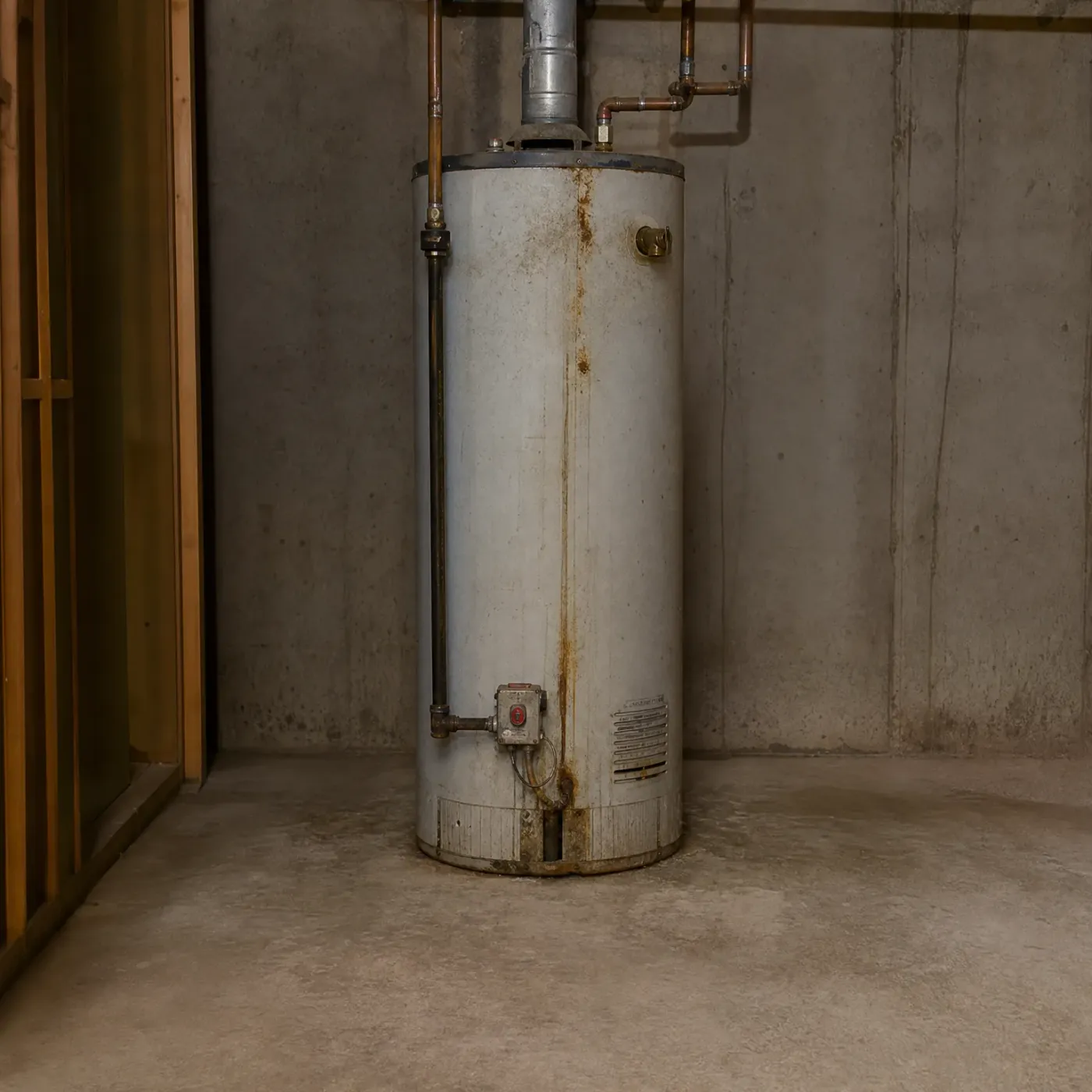
Rust on the panels, wear on the jacket, a tank that's clearly been working hard for years. Popping that's gone on this long is usually paired with corrosion like this, and a contractor can tell you how much life is left in it.

A tank that's been popping for a while is working harder than it should, and you're the one paying for that in gas or electric use every month. If yours sits in a basement or utility closet near bedrooms, that rumbling at odd hours is the kind of thing that gets noticed and asked about. Worth knowing before it becomes a bigger job: once sediment hardens, a flush alone may not clear it, and you're looking at a tank that's more likely to leak or fail outright.
A local contractor who works on tanks like yours through the year has a good sense of what a Rapid City water heater is usually dealing with at this point, soft buildup or hard, and what it'll take to sort out. You'll get matched with one contractor for your situation, not a handful of companies competing for the job, and they'll reach out to go over what they're seeing and what your options are.

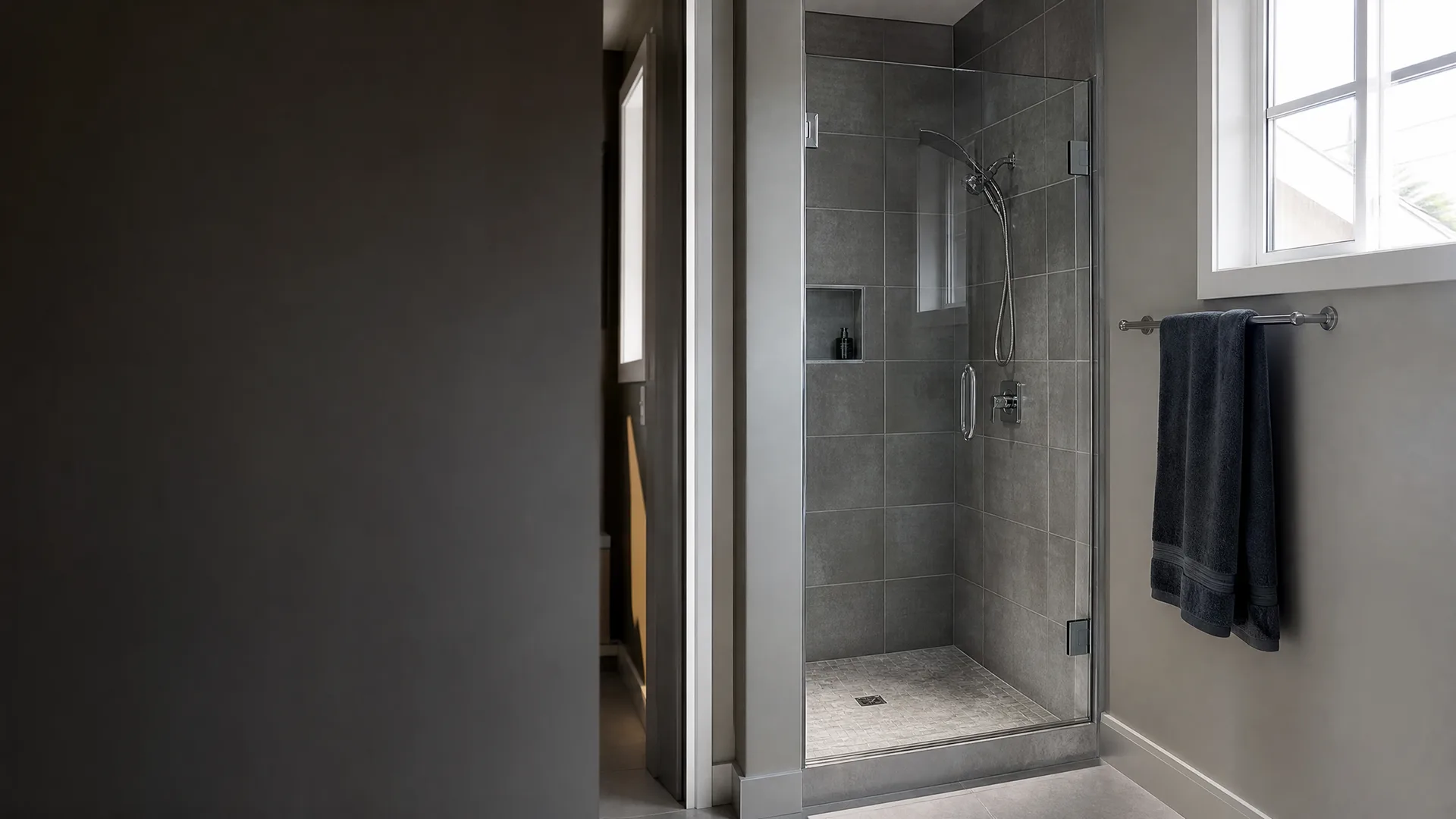
Monday morning, upstairs bathroom. You turn the shower on and step back to let it warm up while you grab a towel off the rail. A minute goes by and the mirror still isn't fogging. You reach in and it's lukewarm at best. Down in the basement the tank is working on it, you can hear that popping sound again, louder than last week, like it's trying to catch up. You wait another minute, checking the water with your hand, before you decide to just get in. The towel's still dry on the rail when you finally step under water that's warm instead of hot.
At 15.09 cents per kilowatt-hour, power here runs close to the national average. If your water heater is electric, that sediment layer still costs you something every month, since the element has to stay on longer to push heat through it. Fixing it now keeps that cost from creeping up.
EIA-861 2025
The popping is sediment, and it doesn't go away on its own. A flush can clear it out if it hasn't been hardening long, and a tank that's been rumbling for months may need more than a flush. Either way, someone has to look at the tank to tell you which one you're dealing with. A local contractor who works on water heaters all year in Rapid City has seen this same sediment problem in plenty of tanks around Pennington County and knows what to check first, whether that's a loose flush or a part that's already wearing out. You'll be matched with one contractor, not a handful calling you back at once, so you're dealing with one person who can look at your tank and tell you plainly what it needs. The sound your water heater is making now is worth that look before it turns into a bigger repair or a tank that needs replacing sooner than it should.

Find a water heater repair pro in Pennington County