Water heater pilot light keeps going out in South Dakota

Send the request and finding a pro stops being your problem.

Hand it off

Why does my water heater pilot light keep going out?

A pilot that won't stay lit is one of the most common reasons a gas water heater stops making hot water. It usually happens more than once, and relighting it yourself only works until it goes out again. You want to know why it keeps happening before you decide whether it's something minor or something that needs a repair.

Usually a worn thermocouple or a draft problem

Most of the time the thermocouple has worn out. That's the small copper rod that sits in the pilot flame and tells the gas valve the pilot is lit. Once it weakens, it stops sending a strong enough signal, and the valve shuts the gas off even though the flame looks fine. A draft reaching the pilot from a vent pipe or a nearby door can cause the same thing, blowing the flame out directly. Less often, the problem is a failing gas control valve, which costs more to deal with. A thermocouple wears out on its own over years of use, not because of anything you did, and it's a straightforward part to replace once someone's looked at the flame and the valve together.

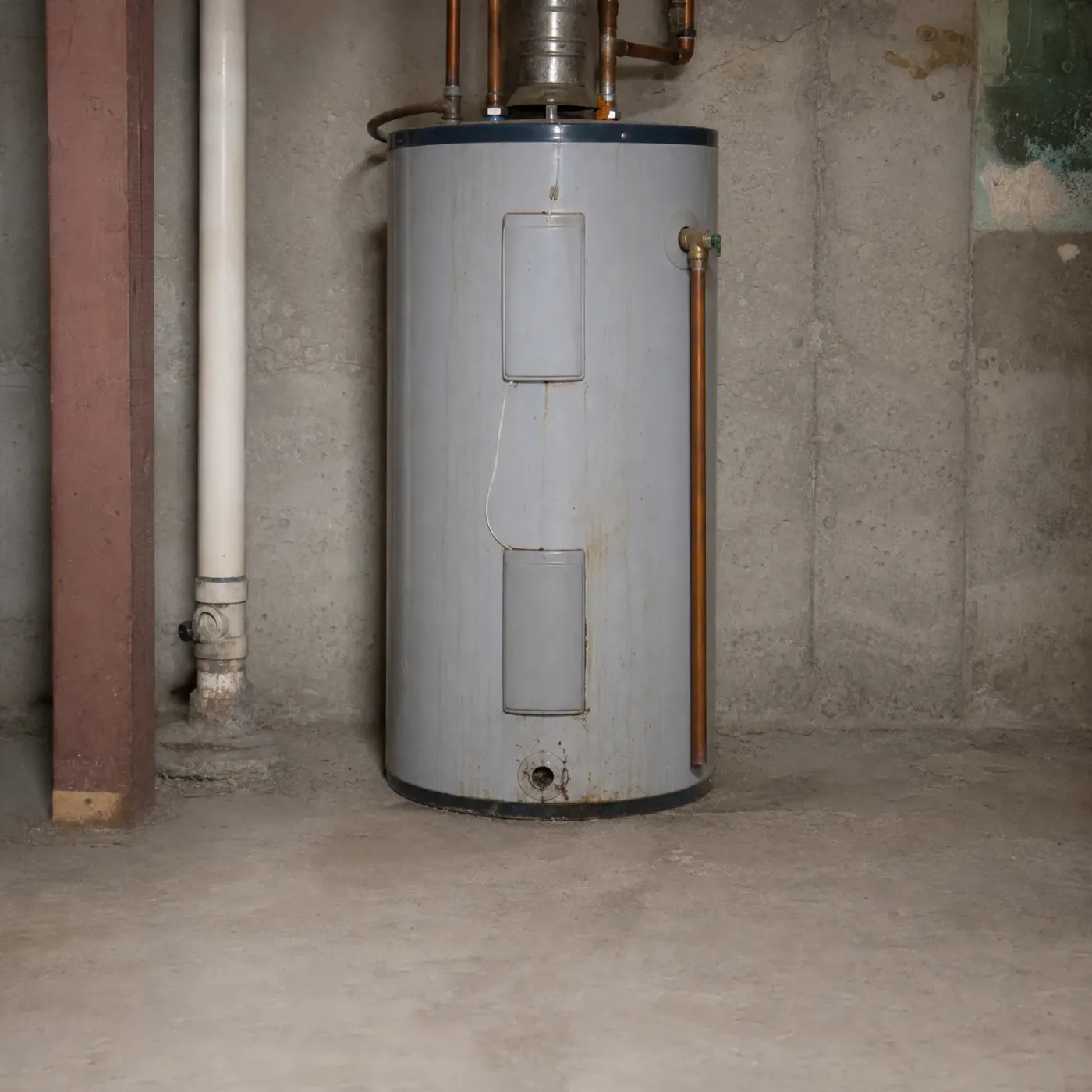
A gray cylindrical water heater stands against a concrete basement wall, connected to copper pipes and a metal flue overhead, with a white discharge pipe running down its right side and exposed wood framing to the right.

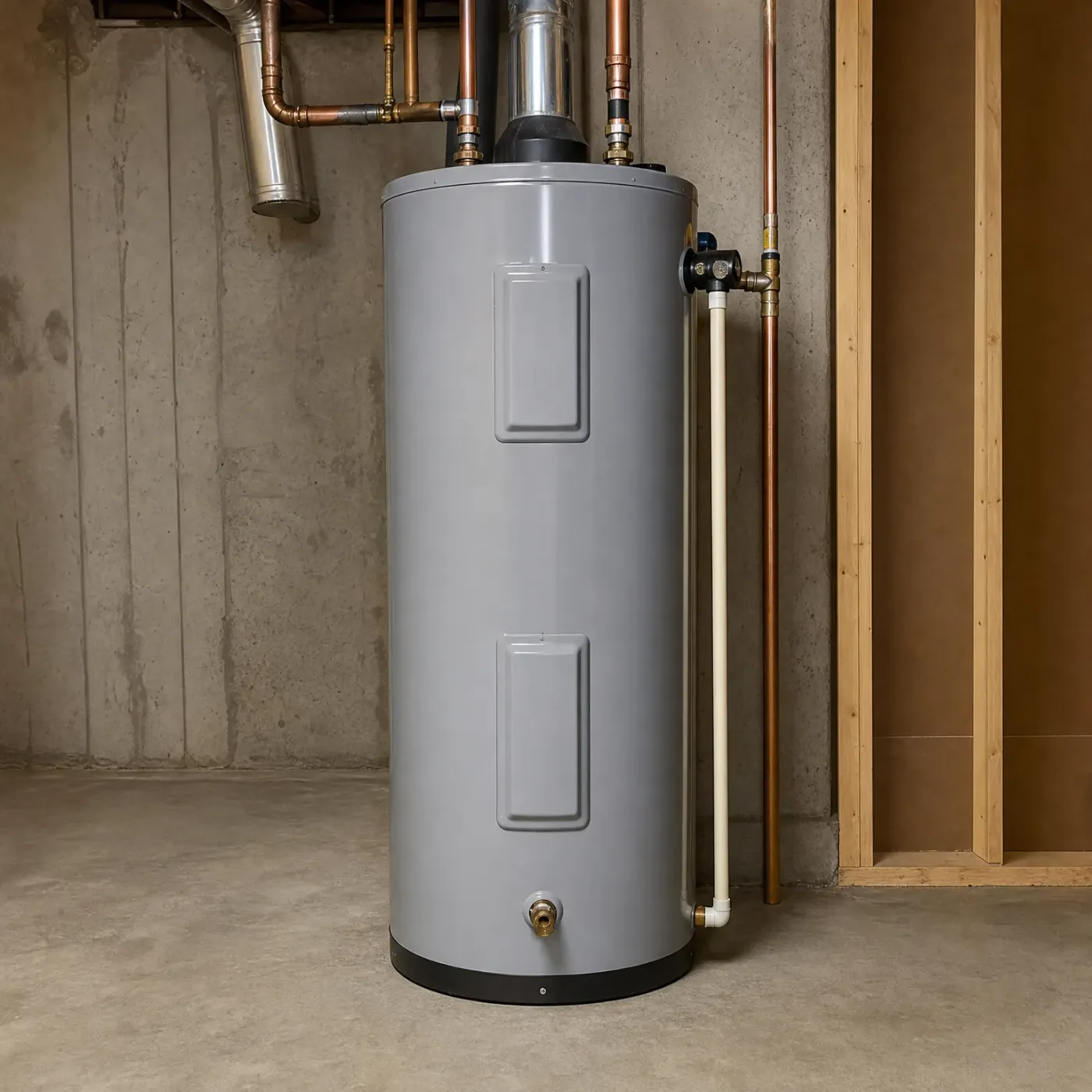
Pilot Lit, Flame Steady

A good pilot burns blue and holds still, with no draft pushing it sideways. The flame wraps the thermocouple fully, so the gas valve reads it as lit and stays open. Hot water comes on demand and the tank cycles the way it's built to.

A gray cylindrical water heater with copper piping stands against a concrete basement wall beside a white vertical pipe and a wooden post.

Pilot Won't Hold

A weak or dirty thermocouple can't tell the valve the flame is there, so the gas shuts off. Rust near the base can mean a leak is feeding moisture into the burner chamber below. Either one leaves you with cold water until someone qualified looks at it.

Relight It or Get It Fixed

Relight It Yourself

  • You can try this once or twice to see if it holds, and it costs nothing but a few minutes.
  • If the thermocouple is worn out or the thermopile has failed, it goes out again within hours no matter how carefully you light it.
  • A draft from a nearby vent or a dirty pilot orifice will keep doing what it did before, since relighting doesn't change either one.
  • You won't know if it's a bad thermocouple, a cracked thermopile, or a buildup of soot until someone opens up the burner assembly and looks.
  • Gas valves on these units are not something to force or adjust if the pilot won't catch, and doing so can make the unit unsafe to run.

Have It Repaired

  • A contractor who works on water heaters through South Dakota winters has seen this exact complaint many times and knows which part usually causes it.
  • Testing the thermocouple with a multimeter tells you in minutes whether it's the part failing or something else holding the pilot back.
  • A technician licensed to work on gas appliances can clear a clogged orifice or replace a thermopile so the fix holds instead of lasting a day.
  • If the gas valve itself is the problem, that's not a part to guess at, since it controls the flow of gas into your home.
  • One contractor takes the job, diagnoses it once, and fixes what's actually wrong instead of you guessing at parts to swap.
  1. The thermocouple senses the pilot flame's heat directly.

  2. It sends a small voltage signal to the gas valve.

  3. That signal tells the valve to stay open.

  4. A weak or dirty thermocouple reads a false signal.

Why does your pilot keep dying on you

You go down to the basement, relight it, and for a day or two the water runs hot again. Then you reach for a shower and it's cold, or the water from the tap barely warms up at all. Some nights you catch the burner clicking on and off more than it should, or the pilot window shows a flame that leans to one side instead of standing straight. If this has been going on for weeks, the part behind it is wearing out, not just acting up, and relighting it won't fix that. Left alone, you're looking at a tank that quits making hot water on a morning you didn't plan for, and in South Dakota winters that's not a day you want to be without it.

A middle-aged woman with shoulder-length dark hair, wearing a gray cardigan over a cream top, sits in an upholstered armchair and looks toward a sunlit window, with a shelf holding framed pictures and a plant behind her.
A woman with her hair in a bun holds a sleeping young child against her chest, both wrapped in a textured beige knit blanket on a sofa in a dimly lit room with a lamp, framed picture, and bookshelf behind them.

Stop chasing a water heater pro

The pro who reaches out is licensed in South Dakota.

No fee to send it, and nothing to sign.

What's Actually Starving Your Pilot

  • A thermopile works like the thermocouple but generates enough voltage to power the whole gas valve, not just signal it.
  • Hard water deposits on the pilot tube or orifice can starve the flame and make it flicker instead of burning steady.
  • A dirty pilot screen or a buildup of soot can smother the flame even when the thermocouple itself is fine.
  • The flue baffle and venting pull combustion air up and out, and a blocked or misaligned vent can pull the pilot flame out with it.
  • Spiders and dust routinely clog the pilot orifice on tanks that sit unused for stretches, cutting gas flow to almost nothing.
  • A gas valve itself can fail internally, holding the pilot circuit open or closed regardless of what the thermocouple reads.

Most gas water heaters built in the last couple decades use a thermopile instead of a single thermocouple. The difference matters because a thermopile has to generate enough voltage to run the entire gas valve, not just tell it the pilot is lit. That means even a slightly weak signal can shut the whole thing down, not just the pilot circuit. Before it gets that far, though, plenty of smaller problems can choke the flame itself. Hard water leaves mineral deposits on the pilot tube and orifice, and a flame starved for gas flickers and weakens instead of burning steady and blue. Soot and dust do the same thing from the outside, settling on the pilot screen until the flame can't get the air it needs. Spiders are a real culprit here too. A pilot orifice is a small opening, and if a tank sits unused for a while, it's common for a spider to build a web inside it that cuts gas flow down to almost nothing. Then there's the venting. The flue baffle pulls combustion air up and out of the tank, and if that path is blocked or the vent is misaligned, the draft can pull the pilot flame right out with it. Occasionally the gas valve itself is the problem, holding the circuit open or closed no matter what the thermocouple or thermopile is reading. A tech who works on these year-round checks all of it in order, not just the part that's easiest to see.

47.6% of homes statewide heat with gas

Almost half the homes in South Dakota run on gas, yours likely included, which means a gas water heater and that pilot assembly down in the basement. When the pilot won't stay lit, you lose hot water outright instead of just losing some efficiency, so it's worth having someone check the thermocouple or thermopile rather than relighting it over and over.

ACS 2020-2024 5-year B25040

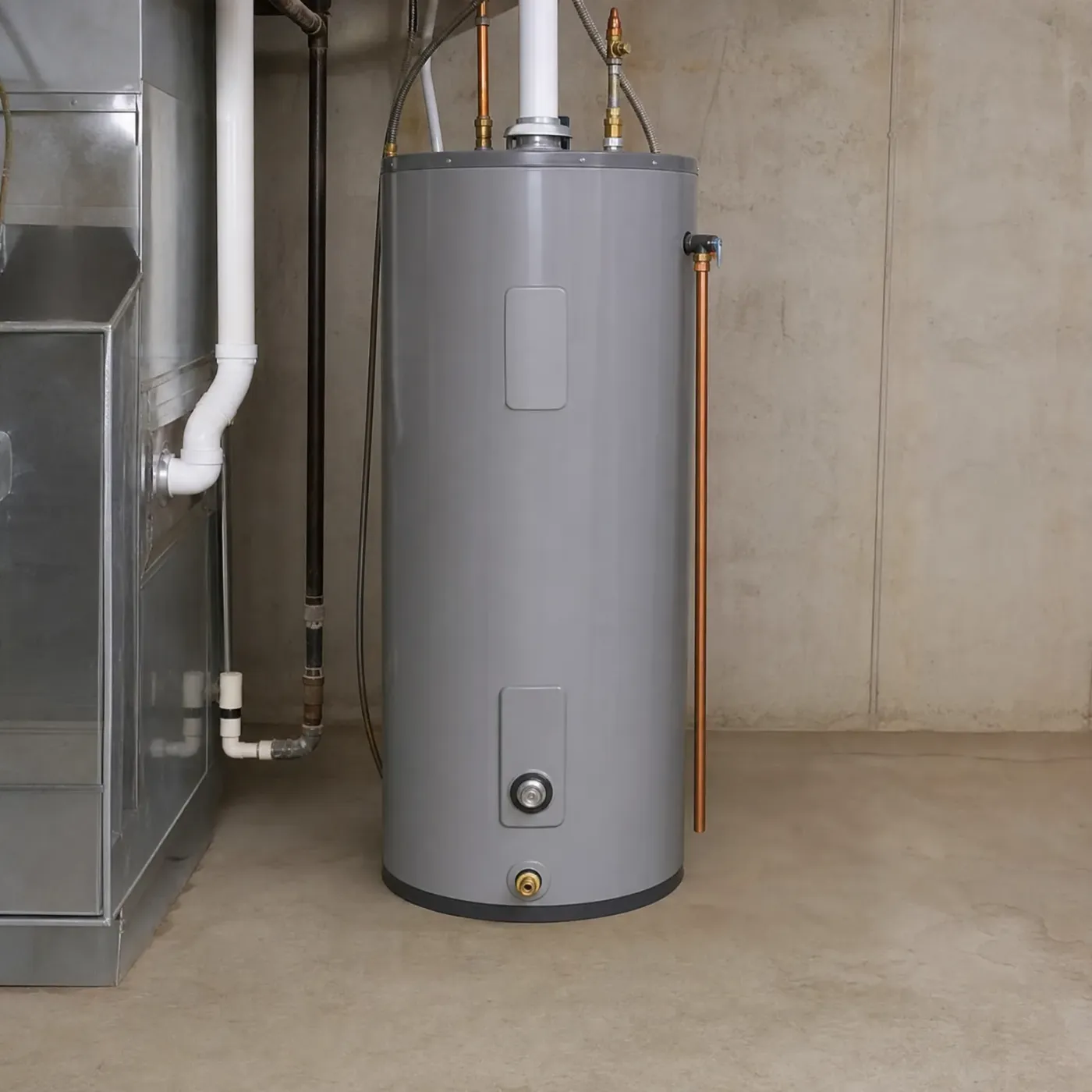
A gray cylindrical water heater stands on a concrete floor against a concrete wall, with copper and white pipes above it and a metal ductwork unit to the left.

Running the Way It Should

This tank sits clean against the wall, PVC and copper lines intact, drain valve closed and dry. No rust creeping up the jacket. A water heater in this shape holds its pilot because the parts behind the burner access panel are doing their job, not fighting corrosion or a dirty orifice.

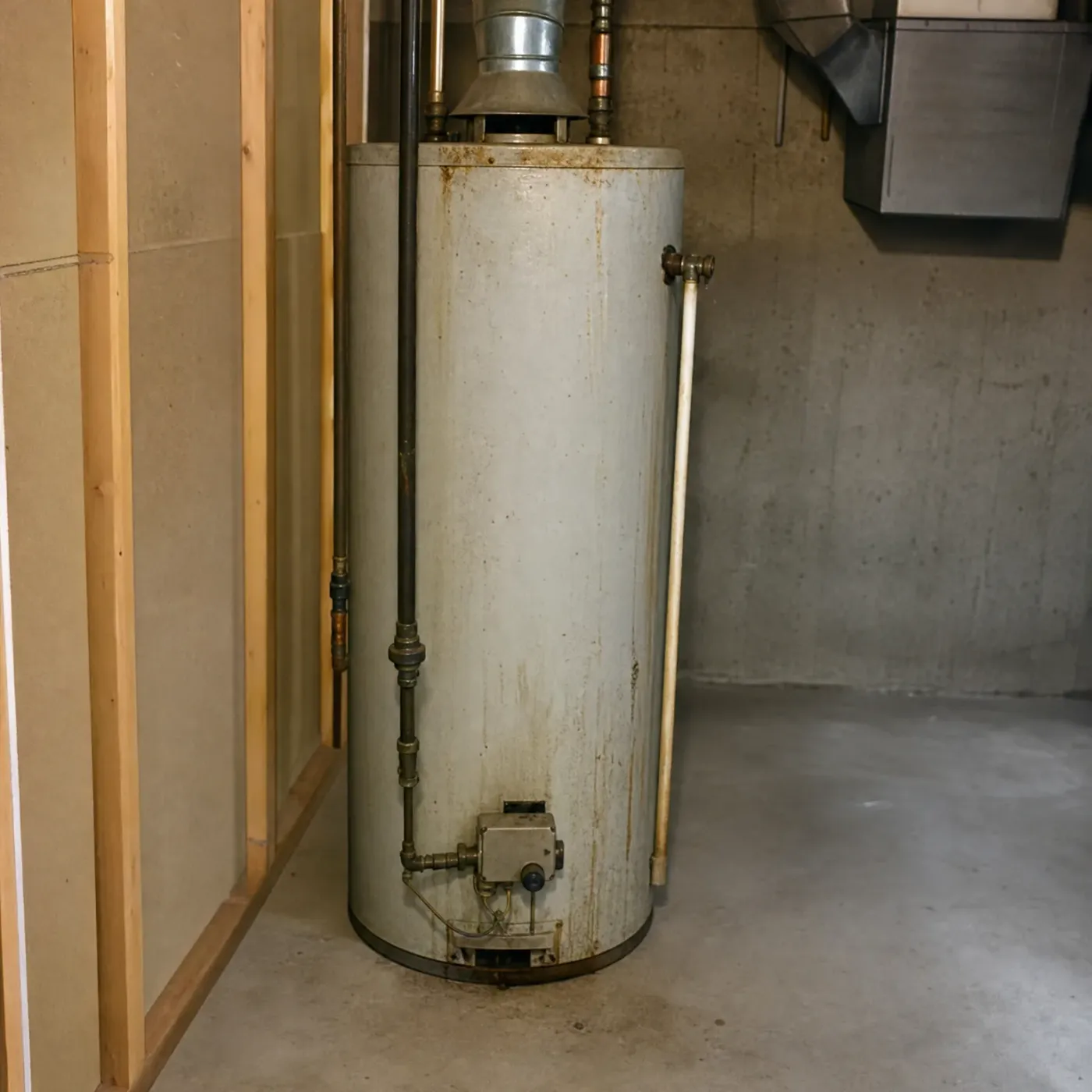
An old rusting gas water heater with flue pipe and connected plumbing stands on a concrete floor in a basement corner beside an unfinished wood-framed wall and a metal duct.

What Years of Wear Looks Like

Rust has worked its way across the whole tank here, down to the gas valve at the base. That kind of corrosion gets into the burner compartment too, where the pilot and thermocouple sit. A tank this far gone is usually why the flame won't hold no matter how many times you relight it.

A pilot that keeps going out is not something to keep relighting all winter. It is the thermocouple or thermopile wearing out, a draft finding its way to the burner, or dirt sitting in the pilot tube, and each of those needs a hand inside the gas valve to fix for good. A licensed plumber or HVAC tech working on water heaters in South Dakota year round can look at the flame, test the voltage, and tell you which part is failing before it leaves you without hot water on a cold morning. You don't have to figure out which cause fits your tank. Send the request and someone local who works on this equipment regularly takes it from here, so you're not stuck relighting a pilot that's only going to go out again.

A gray-haired man in a dark sweater sits on a light gray sofa in a living room, looking toward a sunlit window with trees outside.
A gray-haired man in a dark blue sweater sits on a light gray sofa in a sunlit living room, looking off to the side, with a potted plant, shelving unit, and large glass doors behind him.
A bearded man with graying hair in a dark green sweater sits on a sofa in a living room, looking off to the side, with a sliding glass door and a dim kitchen doorway behind him.
A gray-haired man in a dark knit sweater sits on a light gray sofa in a living room, looking toward a sunlit window, with houseplants, a lamp, and framed art in the background.

Water Heater Repair

Hand off the water heater problem

Only one pro gets your request, so you hear from one company.

A black-framed smartphone standing upright against a plain light gray background, its screen filled with solid green.
Step 1 of 3: Equipment