Get Water Heaters SD
Profile view of a bearded man wearing a dark baseball cap and a dark gray T-shirt against a plain off-white background.

Water heater pilot light out in Harrisburg, SD

Step 1 of 3: Equipment

Why did my water heater pilot light go out?

Your water heater pilot keeps going out, maybe once and maybe for the third time this month, and you're left with cold water until you relight it. Before you grab the lighter again, it helps to know what actually puts that flame out, because some causes are a quick fix and others mean the gas valve needs a licensed hand on it.

A weak or dirty thermocouple is the most common cause

The thermocouple is the small sensor that sits in the pilot flame and tells the gas valve it's safe to keep the gas flowing. Once it gets coated in soot or wears out, it stops reading the flame correctly and the valve shuts the gas off, taking the pilot with it. A draft from a vent or a nearby door can also snuff out the flame itself, which matters in Lincoln County once the wind picks up in winter. If the pilot relights and holds, it was likely a draft. If it won't stay lit no matter how many times you try, the thermocouple or the gas valve behind it needs a closer look.

A smiling man with dark curly hair in a dark green henley shirt sits on a light sofa in a living room with large windows, a lamp, shelving, a stone fireplace, and a bowl of popcorn in the foreground.
A smiling man in a dark long-sleeved henley shirt sits on a beige sofa in a living room, with a bowl of popcorn and a remote on the table in the foreground and shelves, a lamp, and a doorway behind him.
A smiling man with graying hair and stubble in a blue henley shirt sits on a gray sofa with cushions in a living room, with a bowl of popcorn on a wooden table in the foreground.
A smiling man in a dark green long-sleeve shirt reclines on a sofa in a dimly lit living room, with a bowl of popcorn on a side table in the foreground and a bookshelf, lamp, and houseplant behind him.

What does a house like mine around Harrisburg mean for this pilot light problem?

  • 2.52 people per household on average

    With 2.52 people in the average household here, most homes run a water heater hard enough that a pilot going out gets noticed fast, usually the same day.

  • Half the homes here were built by 2005

    Half the homes in Lincoln County went up by 2005, so plenty of water heaters are on a second or third unit already, and an old thermocouple is a common culprit.

  • 66% of homes heat with gas

    66% of homes here heat with gas, so a gas water heater with a pilot and thermocouple is what most contractors around Harrisburg see and fix every week.

ACS 2020-2024

Relighting it yourself

Most water heaters have the lighting steps printed right on the tank, and following them is safe if you can smell no gas and the pilot catches and holds after a minute. If it relights and stays lit, you may just have had a draft blow it out or a buildup of dust on the thermocouple. Try it once. If it goes out again within a day or two, or it won't catch at all, stop resetting it. Repeated relighting without finding the cause just means more cold mornings and, with a gas appliance, more chances something is actually wrong with it.
Calling someone out

A pilot that won't hold, or that keeps going out every few days, usually points to a thermocouple that's failed or a gas valve that's going bad, and neither of those gets better on its own. A local contractor who works on these tanks all winter can tell from a few questions whether it's a cheap part or something that means replacing the whole valve assembly. With most homes here heating water with gas and winter hard on everything mechanical, getting it looked at before you're down to no hot water at all is worth the call.

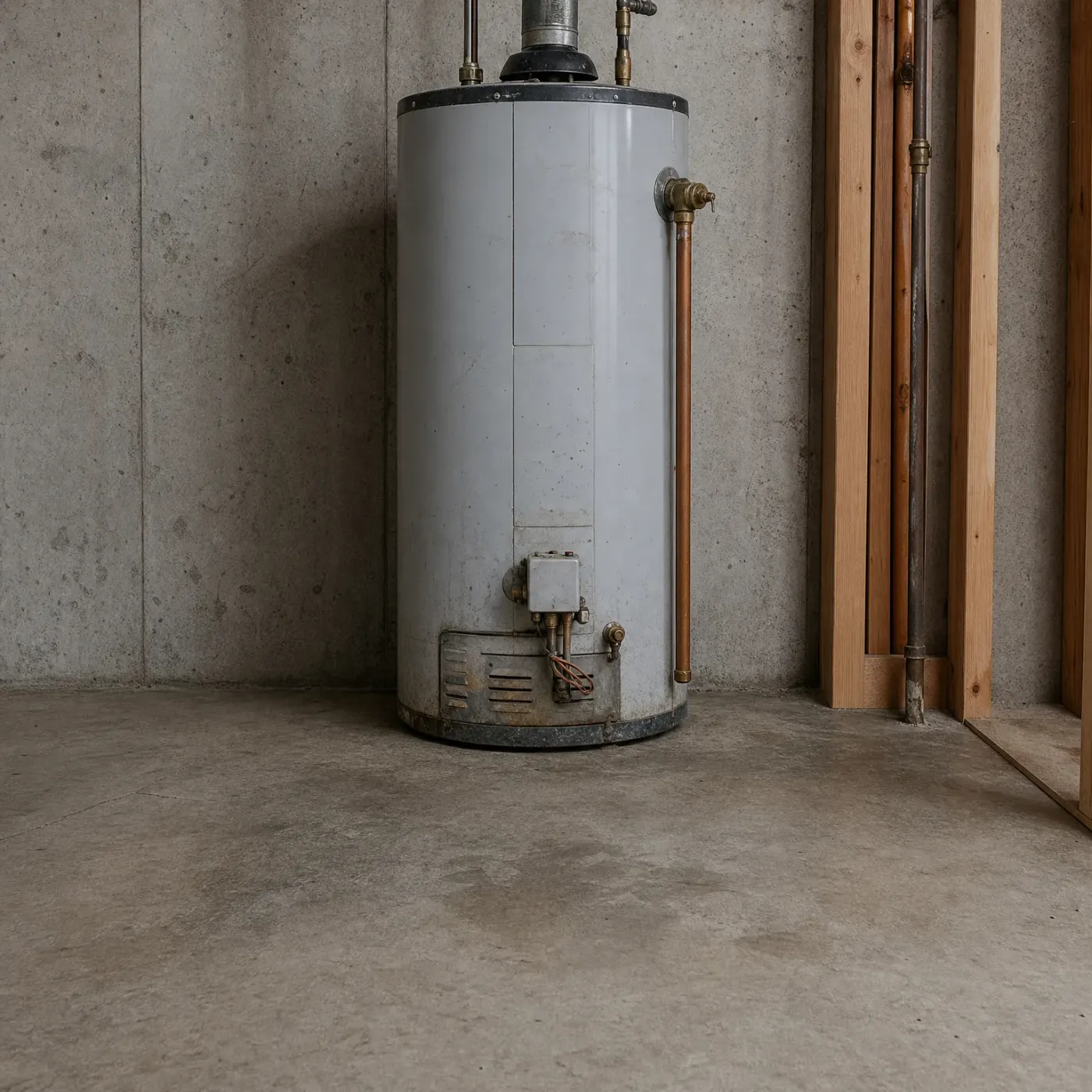
An older gray gas water heater with copper and brass piping stands on a concrete floor against a concrete wall, beside exposed wooden wall framing and vertical pipes.
Before you get your water heater repair
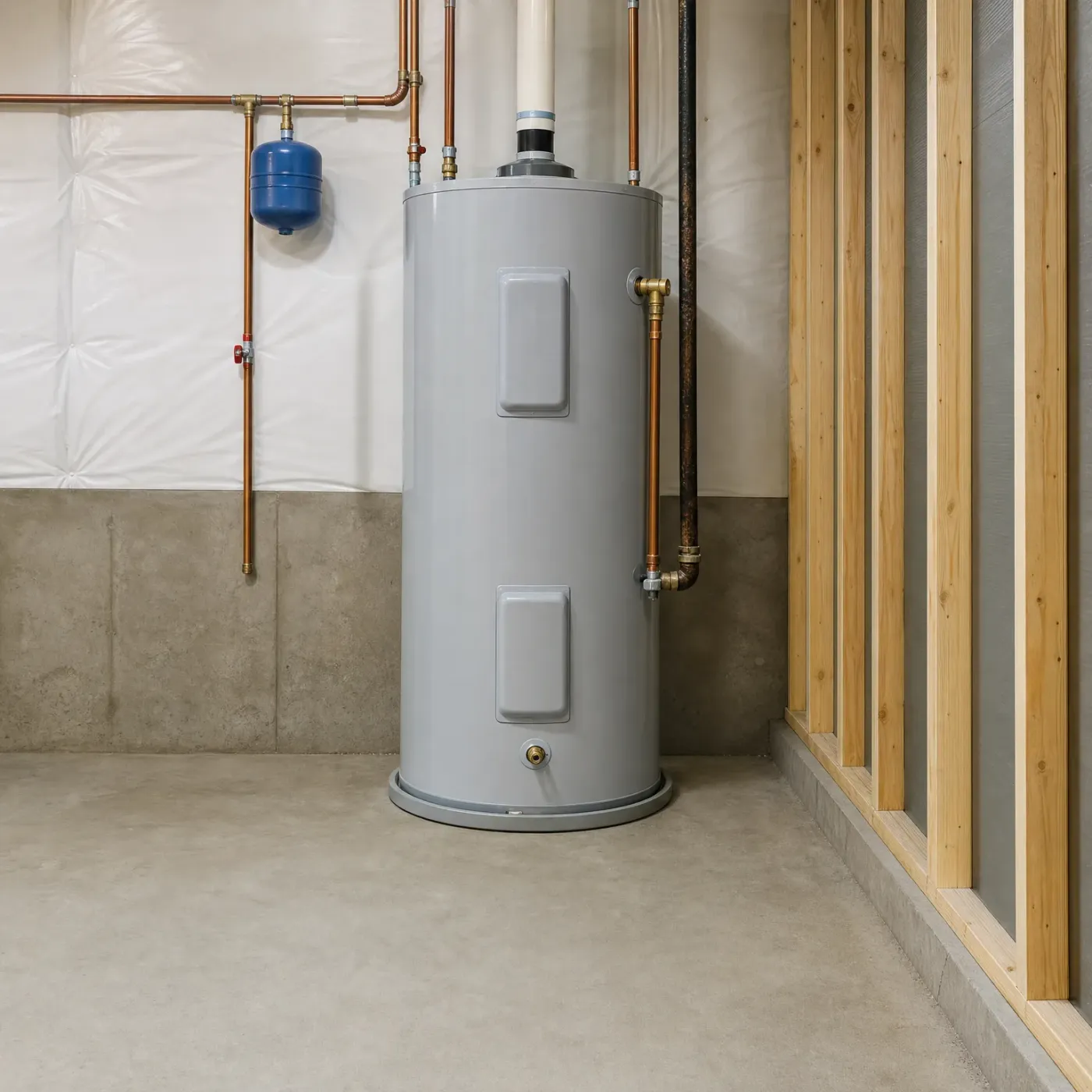
A gray cylindrical water heater stands on a concrete basement floor against a plastic-sheeted insulated wall, with copper supply pipes, a blue expansion tank, a black vertical pipe, and exposed wood wall framing at right.
After you get your water heater repair

How the thermocouple actually works

  • The thermocouple sits right in the pilot flame and its only job is to tell the gas valve the flame is lit.
  • A dirty or bent thermocouple reads the flame wrong, so the valve shuts the gas off even with the pilot burning.
  • A draft strong enough to flicker the pilot but not blow it out can still cool the thermocouple enough to trip it.
  • The pilot tube itself can clog with soot or dust, starving the flame until it's too weak to hold.
  • On many tanks the thermocouple is held in place with a single screw and can be cleaned or swapped without replacing the gas valve.
  • If the pilot relights fine but drops out again within a day, that points to the thermocouple rather than a one-time draft.

The thermocouple is a thin metal rod sitting right in the pilot flame, and it runs on nothing but the heat of that flame. It generates a small electrical signal that tells the gas valve the pilot is lit and it's safe to keep the gas flowing. Once that signal drops, even for a few seconds, the valve closes the gas off. That's the whole safety system working as designed, not a malfunction, which is why relighting the pilot sometimes fixes nothing if the real problem is the thermocouple reading wrong.

Soot, dust, or just age can coat the thermocouple or bend it slightly out of the flame, and either one weakens the signal it sends even while the pilot burns fine to the eye. A draft from a nearby vent or a gust through a cracked door can do something similar, cooling the tip just enough to trip the valve without ever blowing the flame out. The pilot tube that feeds the flame can also clog with soot, and a flame starved of gas burns too small and cool to keep the thermocouple satisfied.

Most tanks hold the thermocouple in place with a single screw, so cleaning the tip with fine sandpaper or swapping the whole part is a contained job that doesn't touch the gas valve itself. The pattern tells you a lot. A pilot that relights, holds for a day or two, then drops out again on its own is pointing at the thermocouple, not at a draft that happened once.

A woman in a dark knit turtleneck sweater reclines on a couch under a cream knit blanket, looking down at an open book, with a lit table lamp and framed pictures behind her.
A smiling middle-aged man in a dark green sweater sits at a candlelit table with wine glasses and a plate of greens in a dimly lit interior.

It's off your list after this

A pilot that keeps dying usually points to one of a short list of things: a worn thermocouple, a draft finding its way to the pilot, or a gas valve on its way out. None of those get better by waiting, and a Lincoln County winter is a bad time to find out the hard way with a tank full of cold water. Gas is how most homes around Harrisburg heat their water, so when the pilot won't hold, you're not dealing with a minor nuisance, you're without hot water until it's fixed. Send the request and a licensed local contractor who works on these systems all winter gets it, not a batch of companies competing for your callback. They've seen this exact problem plenty of times on tanks like yours. You relit the pilot once, maybe twice. If it's not holding now, the next step isn't another lighter, it's getting someone who knows what's actually failing to look at it.

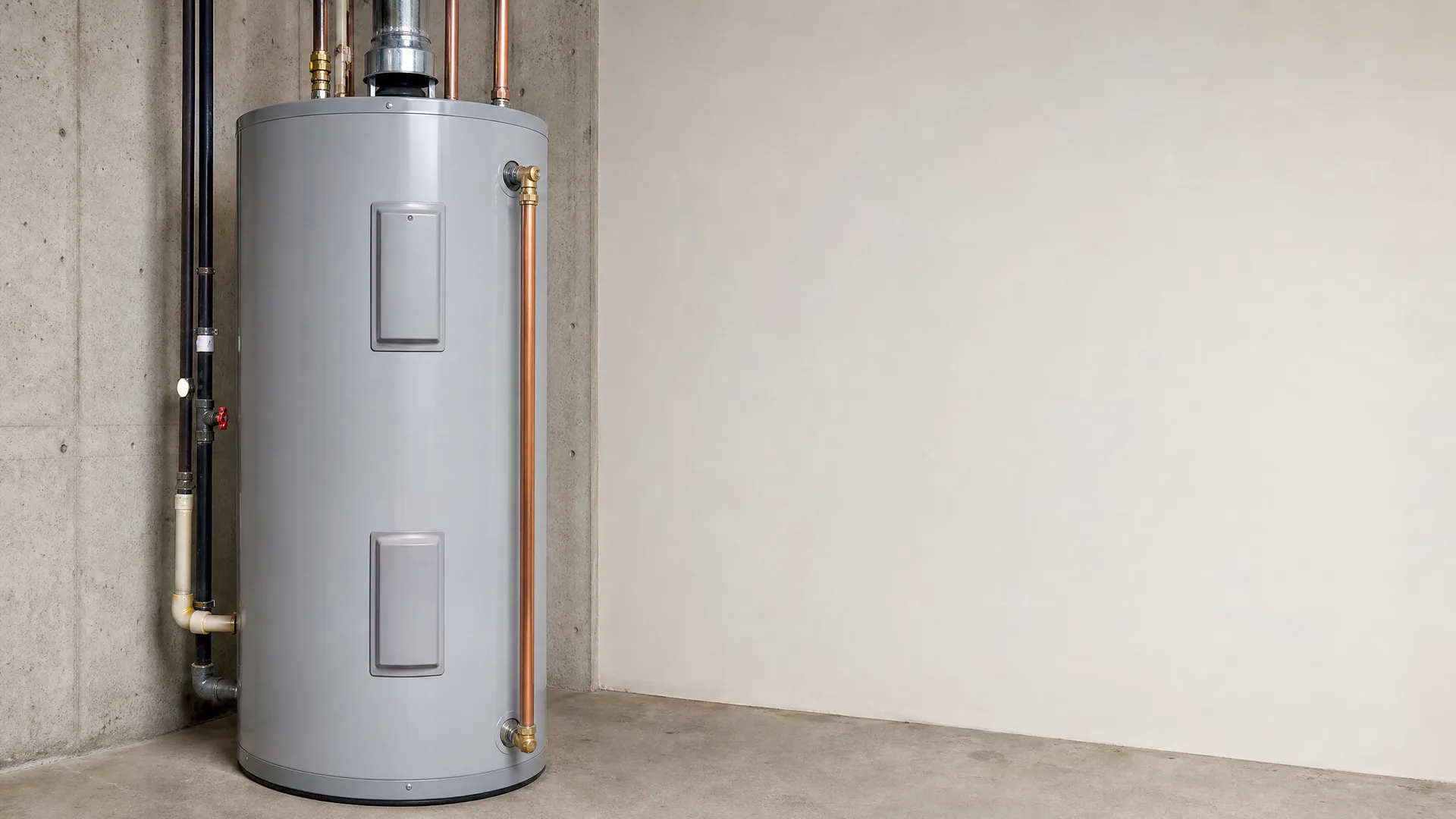
A gray cylindrical water heater with two access panels stands in a corner against a concrete wall, with copper and black pipes running up beside it on a bare concrete floor.

How the thermocouple actually fails

A thermocouple is a simple rod, and heat cycles it thousands of times a winter in a house that runs its water heater hard. Each cycle flexes the metal a little more. Eventually it reads the pilot flame as weaker than it is, even though the flame still burns fine, and the gas valve cuts fuel to the pilot. That's why relighting works for a day or two and then fails again. The part wears out gradually, so the outages often start further apart and close in over a few weeks.

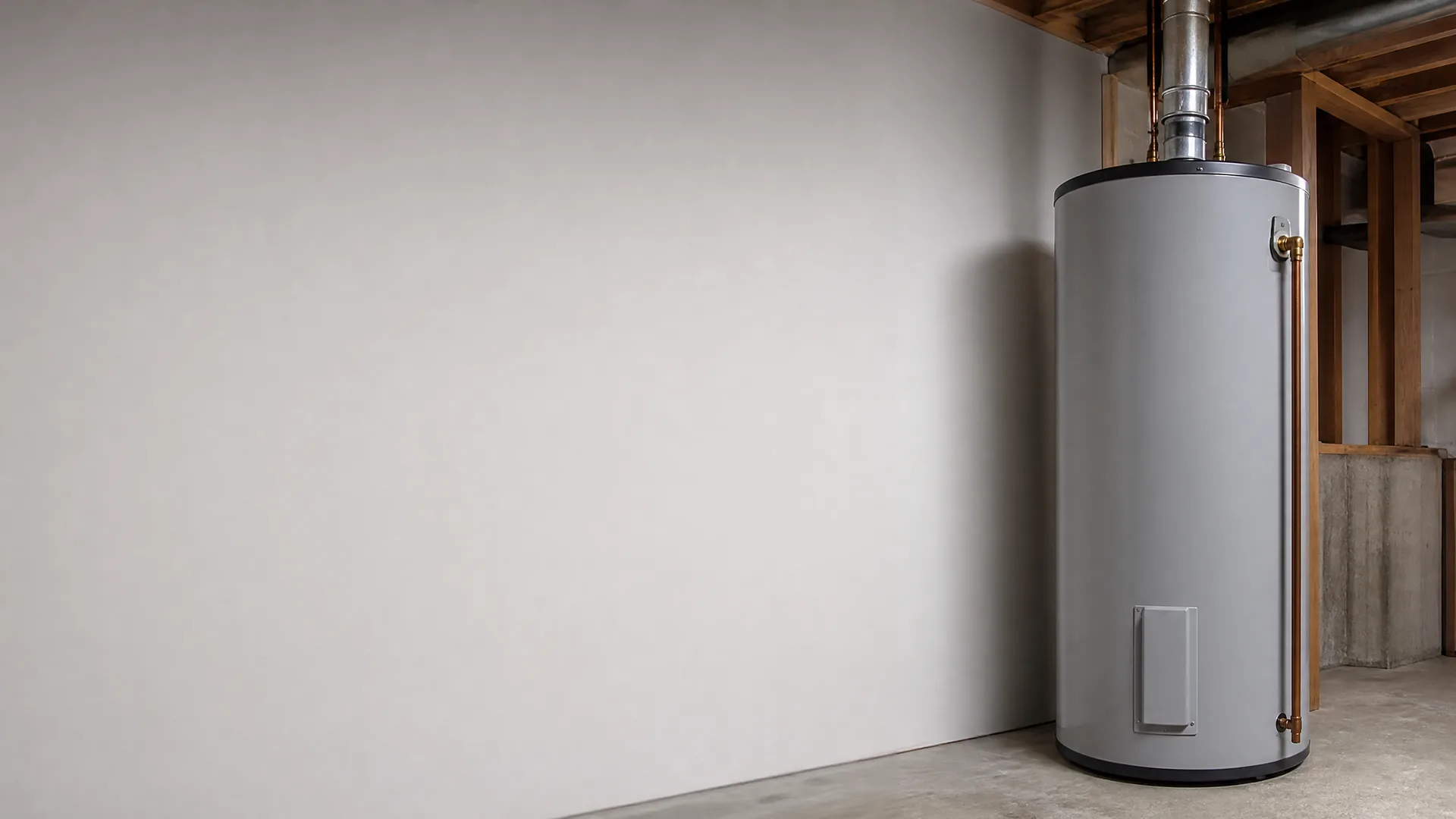
A gray cylindrical water heater with a metal flue pipe and copper piping stands in the corner of a bare room with light walls, a concrete floor, and exposed wood framing.

Why cold snaps expose the problem

A furnace and a water heater often share a flue or sit near each other in the same utility space. When outdoor temperatures drop hard, the draft through that shared venting gets stronger, and a pilot that was marginal in October can get pulled sideways enough to go out in January. This is why pilot trouble tends to surface in Lincoln County once the hard cold sets in, not because the water heater changed, but because the draft around it did.

What are you noticing around your water heater right now

You check the pilot window and it's dark, or it's lit but the burner never kicks on when you run hot water. The water out of the tap is lukewarm, then cold, and stays that way until you relight it by hand. Some households notice a faint gas smell near the tank for a second when it's trying to catch, or they hear the gas valve click without any flame following. If this is the third or fourth time this month, the tank is working harder to keep up, and a water heater that won't hold a pilot through a Lincoln County winter can leave a house without hot water right when it's needed most.

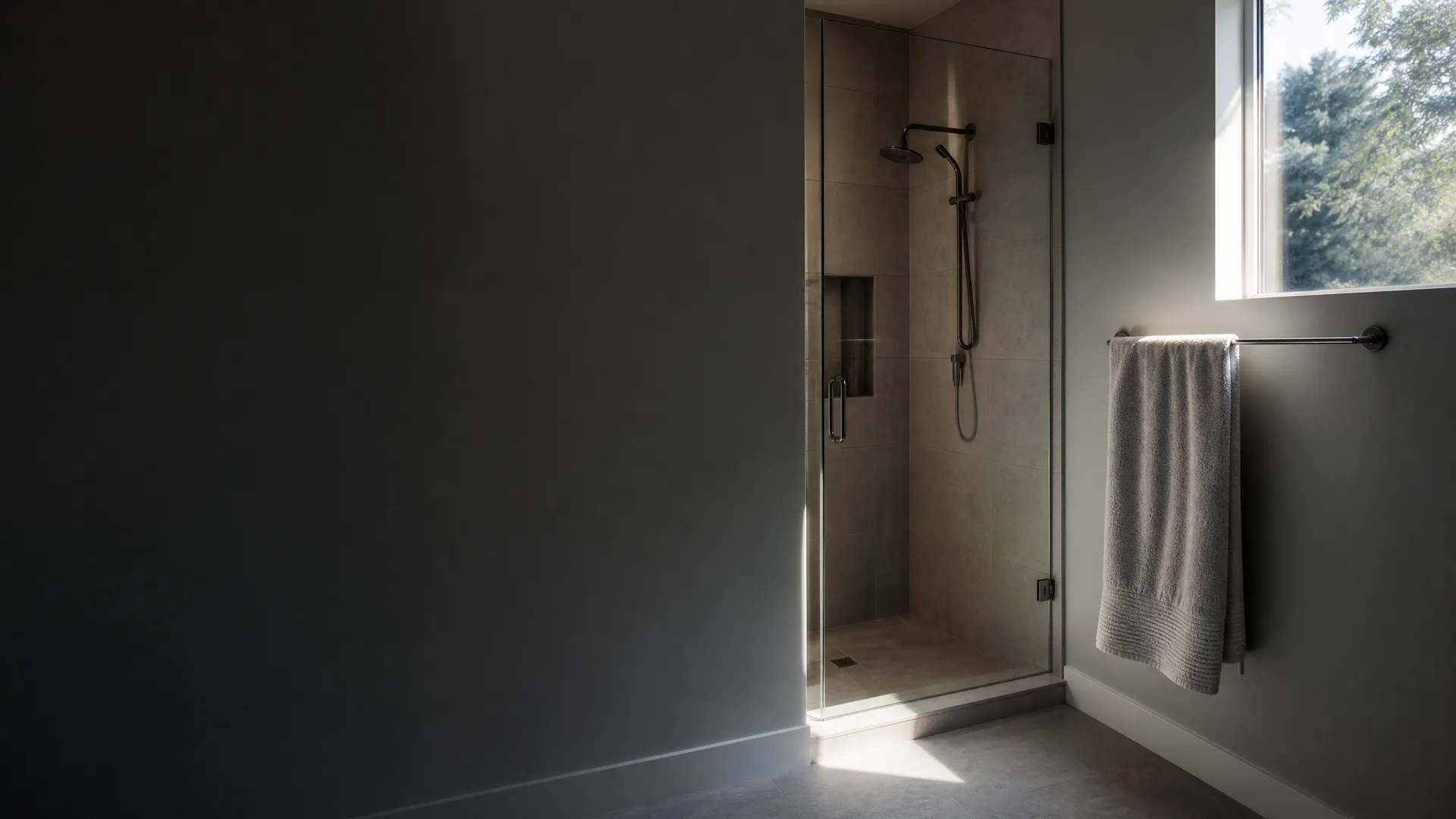
A dim bathroom corner with a glass-enclosed tiled shower containing a rain showerhead and wall niche, a gray towel on a rail beside a bright window, and a large plain wall in shadow at left.

It's a weekday morning and you've got the shower running, waiting for it to steam up before you get in. It never does. You reach in and the water is cold, then lukewarm at best, and it isn't climbing any higher. The towel's still hanging on the rail, dry. You stand there a second, hand under the water, thinking about the pilot light downstairs and whether you have time to deal with it before work. Outside, Lincoln County is still cold enough that a cold shower isn't something you can just shake off and get on with your day.

Call Now or Wait It Out

Call for repair now

  • If you've relit the pilot more than twice this month, the thermocouple or gas valve is likely on its way out and won't fix itself.
  • A licensed plumber can test the thermocouple's millivolt output and the gas valve in a single visit instead of you guessing which part failed.
  • Cold water in a Lincoln County winter isn't something to sit with for days while you watch the pilot to see if it holds.
  • A local plumber who works on these units all winter knows which brands in this area tend to burn through thermocouples faster.
  • If there's any smell of gas near the tank, that's a call to make today, not a troubleshooting step to try yourself.

Wait and watch

  • If the pilot relit on the first try and has held for a few days, it may have just been a draft that caught it wrong once.
  • Watching it for a short stretch costs you nothing but a little patience, as long as the flame stays steady and blue.
  • A pilot that goes out once in months, with no smell of gas and no soot near the burner, isn't usually urgent.
  • Waiting makes sense if you can see the pilot window clearly and check it without taking anything apart.
  • The risk is that a failing thermocouple rarely announces itself, so waiting too long can mean cold showers again at the worst moment.
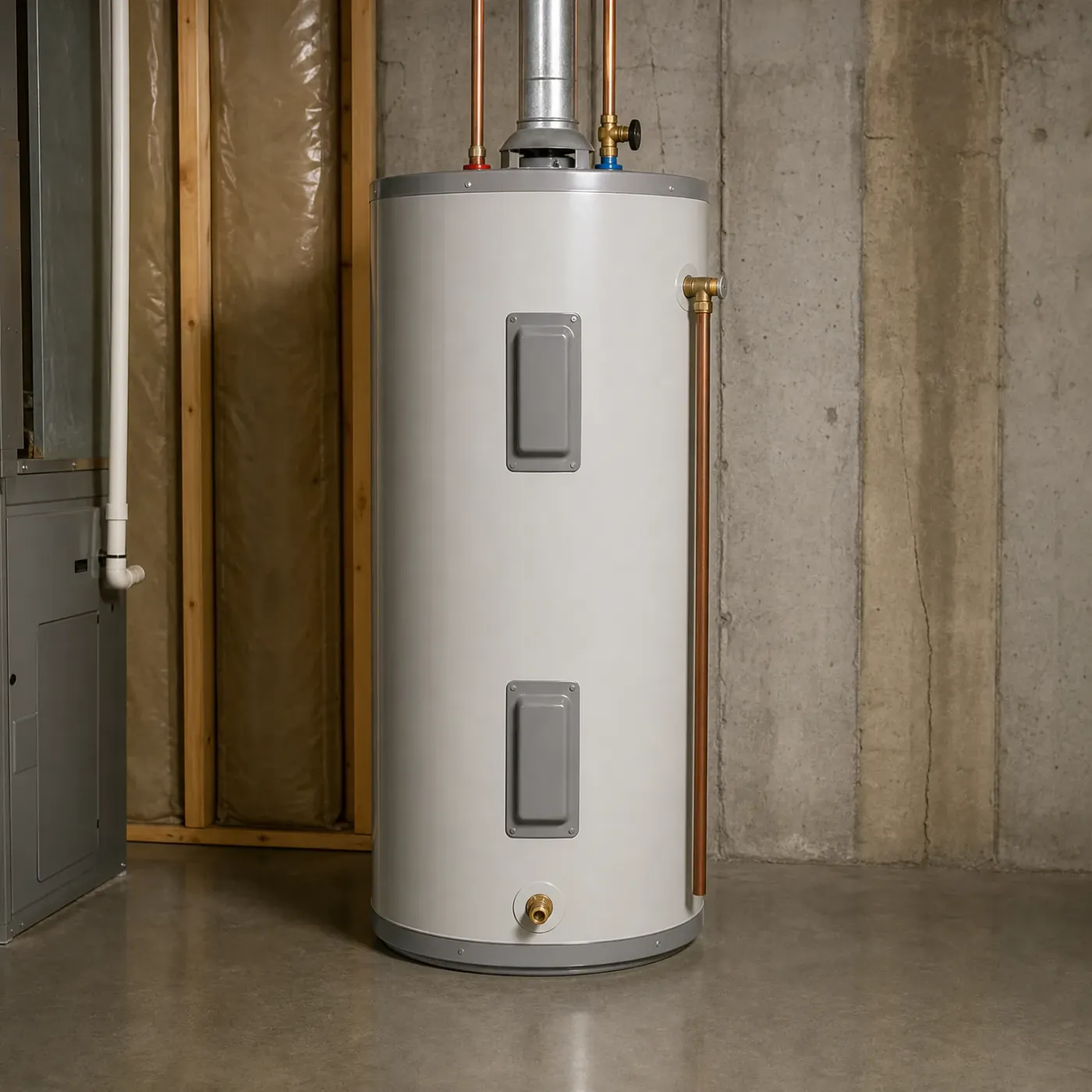
A white cylindrical water heater with two access panels, copper supply pipes and a metal flue, standing on a concrete floor against a concrete wall beside insulated wood framing and a gray electrical panel.
A water heater like this one lights, holds, and heats on demand, with no rust creeping up the tank or the fittings.
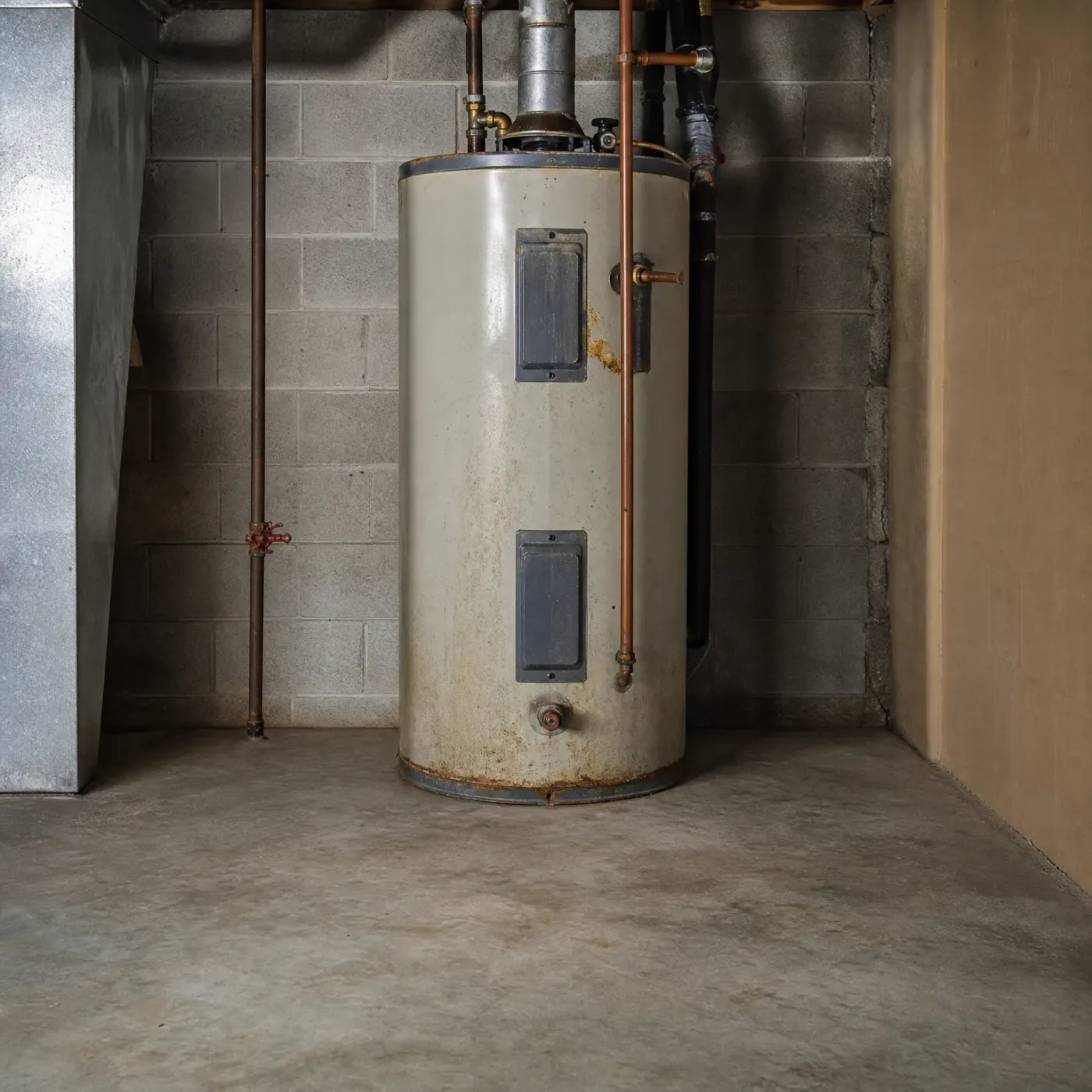
An aging cream-colored water heater with rust streaks and two access panels stands on a concrete floor against a concrete block basement wall, with copper and black pipes running up to the ceiling and a metal duct at left.
Rust like this on an old tank often travels past what the eye can see, into the burner chamber and the pilot assembly.

Power here costs 13.03 cents per kilowatt-hour

Power in Lincoln County runs 13.03 cents a kilowatt-hour, and that's good news here since gas is doing the work anyway. The pilot and burner run on gas, so a weak thermocouple or a bad gas valve isn't driving your electric bill up. Fixing it is about getting hot water back, not saving on power.

EIA-861 2025

A pilot that won't hold almost always comes down to the thermocouple, a draft, or a gas valve wearing out, and a plumber who tests the millivolt output can tell you which one in the same visit. That's really all there is to it. Once you're matched, it's with one licensed plumber in Lincoln County, not a handful of companies competing for your callback, and someone who works on these tanks all through a Harrisburg winter knows which of the three usually turns out to be the problem. Cold showers on a January morning aren't something to keep patching with a lighter. Get the pilot looked at, get the real cause fixed, and stop thinking about it.

A lit ceramic table lamp with a linen shade sits on a round wooden side table with a small vase of greenery and a dark shallow bowl, beside a beige upholstered sofa with a cushion and knit throw, below a framed artwork on a pale wall.
Corner of a beige linen sofa with a large woven cushion and a fringed knit throw, beside a potted leafy tree in a woven basket against a neutral wall.
Sunlit interior corner with a wood-framed armchair with beige cushions and a striped pillow, a leafy plant in a tall ceramic pot, a window with wood sill showing green foliage outside, and dark wood flooring.
A lit black path light beside a stone walkway leading to a dark front door of a white clapboard house, with shrubs and flowering plants in the bed at dusk.
A covered porch at dusk with a wooden front door, a lit lantern wall sconce on gray horizontal siding, a black rocking chair with a cream throw, a potted white flowering plant, a coir doormat, and a window showing a lit interior lamp.

Hand off the search today

A licensed pro who works in Lincoln County gets your request.

Find a licensed water heater pro

No charge to send it. You decide if you hire them.