No phone calls to make
Why you run out of hot water fast in South Dakota
Running out of hot water fast usually comes down to one part in your water heater, not the whole unit. This page walks through what causes it and what a repair can fix. If you'd rather skip the search for a local contractor, the explaining twice, and sorting through quotes, a licensed pro in South Dakota who works on these units can take it from here.
Start one formRunning out of hot water fast almost always means the tank can't recover between uses, and that points to the lower heating element or thermostat on an electric tank, or a failing burner or dip tube on a gas one. If only the bottom of the tank heats, you get a few minutes of hot water followed by lukewarm. A dip tube that's cracked lets cold incoming water mix straight into the hot water near the top, so what comes out never gets fully hot even though the unit is running fine. Sediment settled at the bottom of the tank does something similar, insulating the lower element so it can't transfer heat into the water above it. Most gas water heaters in South Dakota homes don't need power to keep a pilot lit, so a sudden drop usually isn't about electricity at all. It's a part inside the tank that needs attention, not the whole system.
What the dip tube does
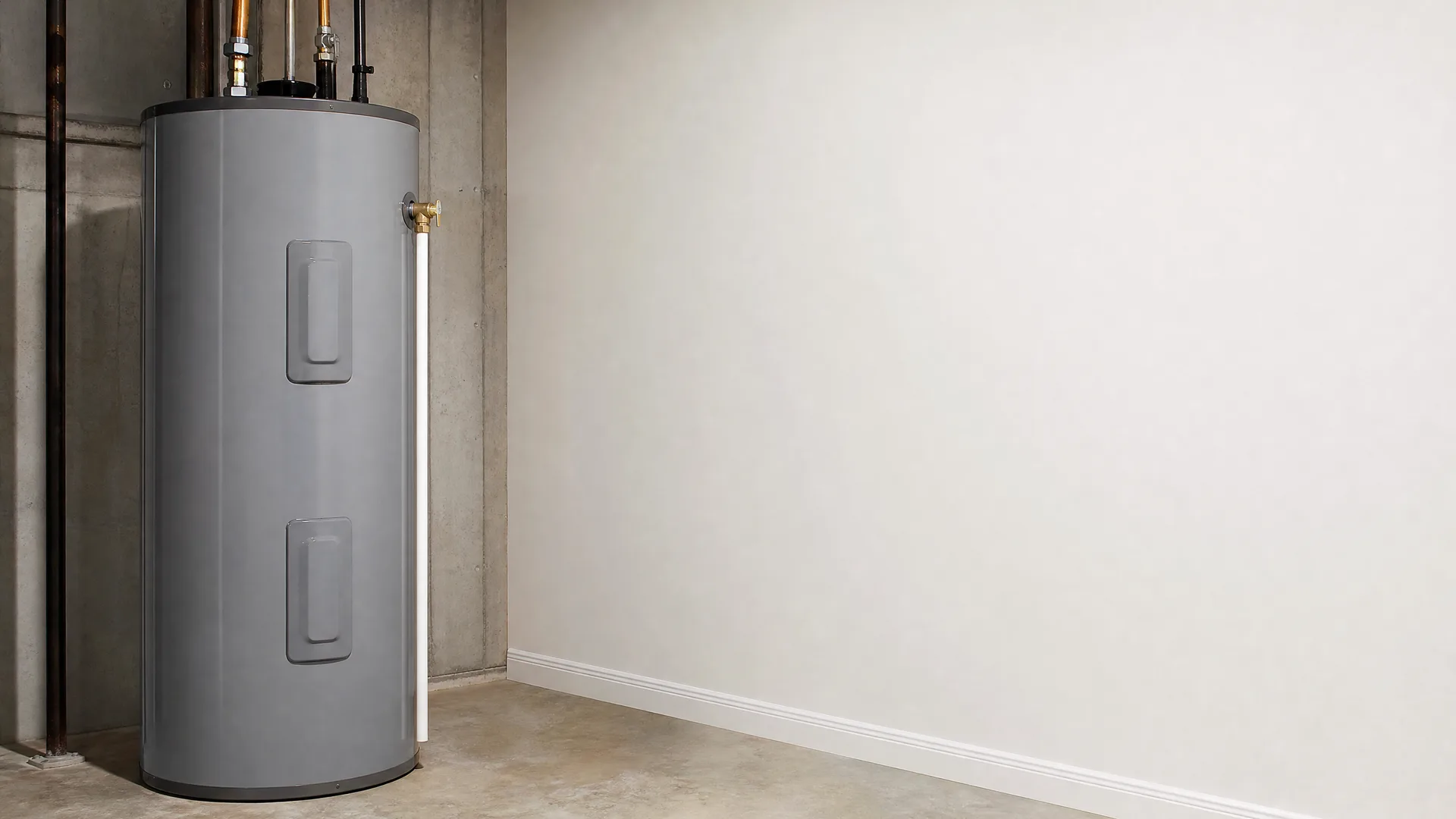
Cold water enters a gas tank through the dip tube, a plastic tube that runs down to the bottom so incoming water doesn't mix with what's already hot near the top. When that tube cracks or breaks off, cold water dumps in near the top instead, and it mixes straight into the hot layer you're about to draw from. You end up with lukewarm water after a few minutes instead of the full tank's worth you're used to.
Why gas recovery matters here
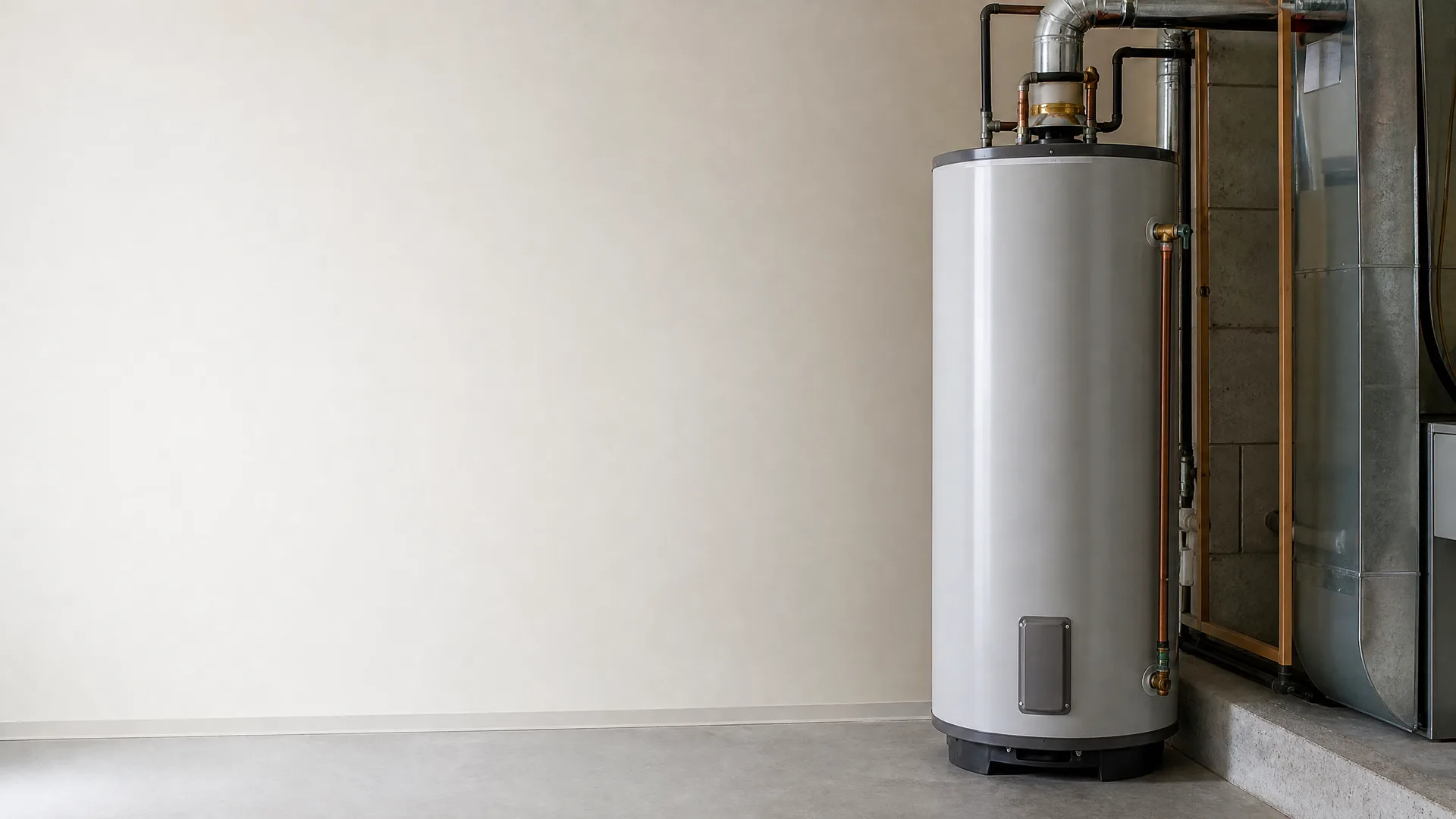
Most homes in South Dakota run gas water heaters, and the burner underneath is what lets a tank recover between uses. A good burner reheats the tank steadily as hot water draws down, so a short gap between showers usually isn't a problem. When the burner's acting up, that bottom layer never gets back up to temperature in time, and the next person in line gets the cold water that should've had another twenty minutes to heat.
Does your shower go cold halfway through?
You'll notice it at the same point every time. The water runs hot for a few minutes, then turns lukewarm, then cold, even though the tank is full size and used to last the whole shower. Someone else in the house might get a cold shower an hour later because the tank never caught back up. On a gas tank you might hear it short-cycle, the burner kicking on and off more than it should. If this has been going on for a while, the tank has been working harder than it needs to, and whatever part is failing usually doesn't fix itself. Left alone, you're looking at a tank that heats less water each week, not more.
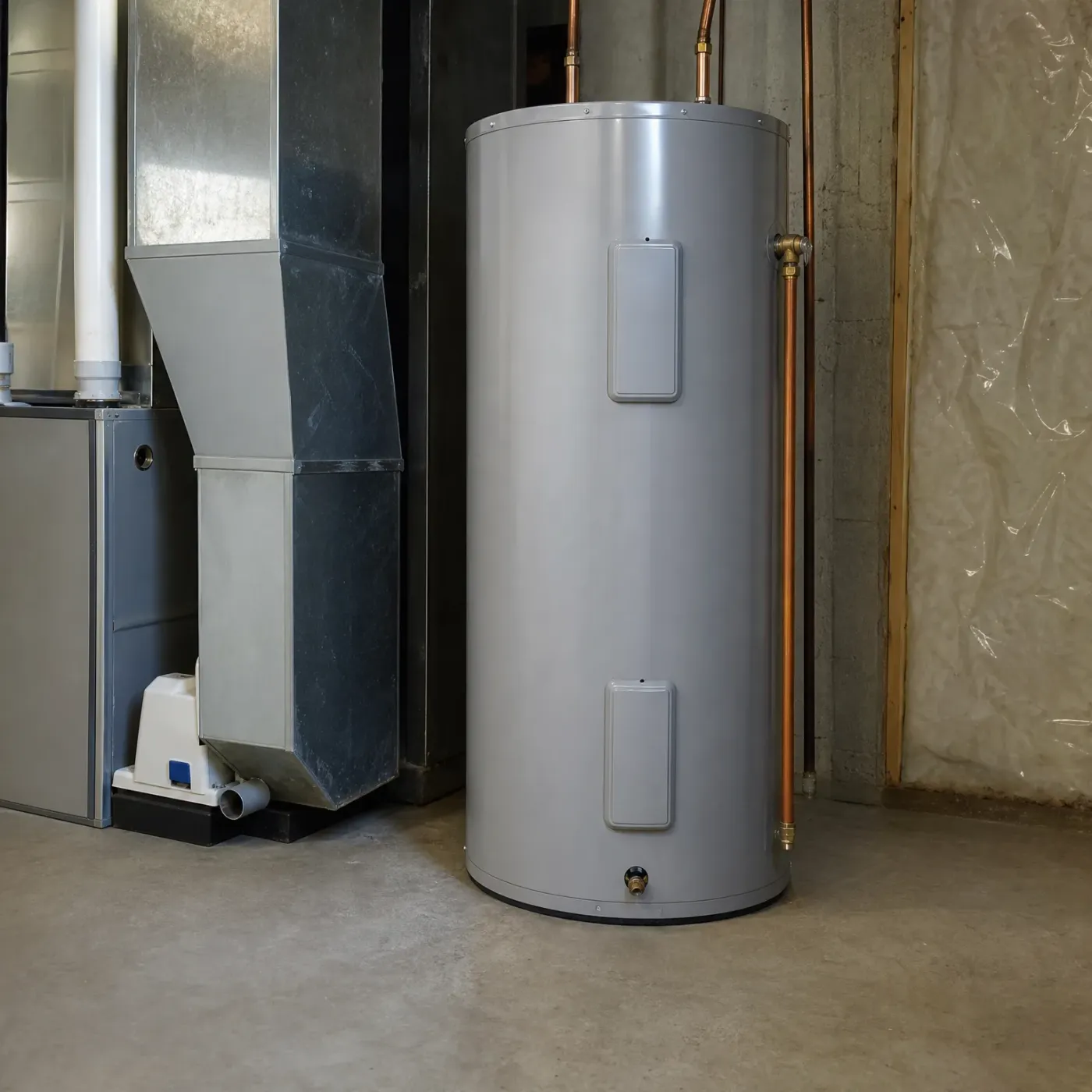
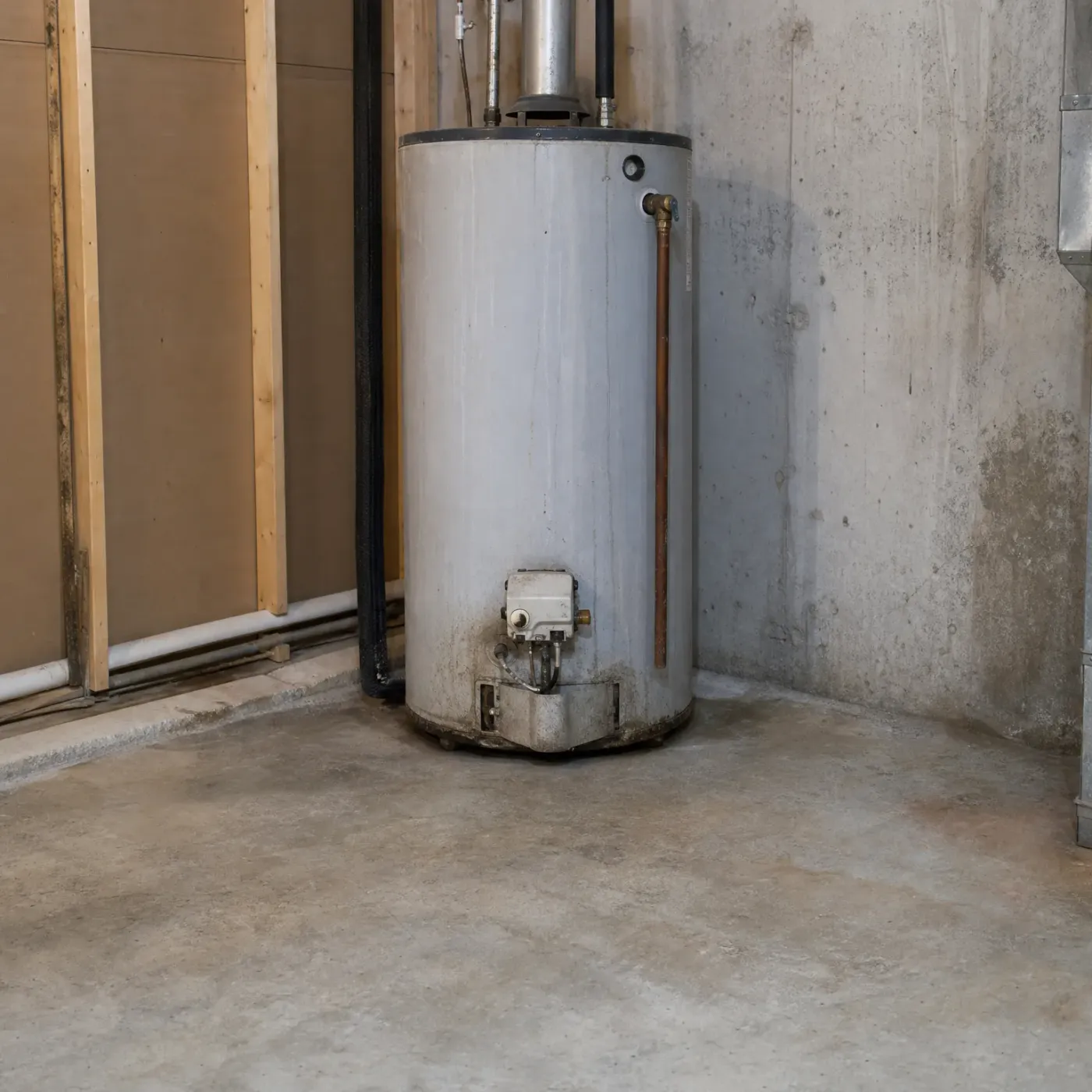

Cold water enters the tank through the dip tube.
The thermostat calls for heat when the tank cools.
A gas burner fires, or an electric element heats the water.
Hot water draws off the top as you run the tap.




One form, no calling around

Only one pro gets your request, so you hear from one company.
Asking costs nothing, and the choice to hire stays yours.
Living with it versus fixing it
Right now you're working around it. Showering in the morning before anyone else gets to the water heater, running the dishwasher at night instead, telling guests to keep it short. That's manageable in a South Dakota summer when the air is warm and a lukewarm rinse isn't the end of the world. It gets harder to live with once the furnace is running and the house is colder, because a short supply of hot water matters more when everything else is working against you too. None of this gets better on its own. A dip tube that's broken off stays broken off, and a dead lower element doesn't come back.
What a repair actually changes
A gas or electric contractor licensed to work in South Dakota can look at the tank, find out whether it's the dip tube, the thermostat or the heating element, and replace the part that's failed. That's different from replacing the whole water heater, and different from guessing based on a forum post. You'd otherwise be the one calling around, explaining the symptom to two or three companies, and comparing what each one tells you before picking someone. Instead you get matched with one local contractor who works on tanks like yours regularly and knows which part tends to go first. No other company calling about the same job, just the one who shows up.


A tank with a cracked dip tube or a dead lower element still runs the burner or top element on schedule, so the thermostat reads normal and nothing trips a warning.
A technician who checks the water temperature at the tap and tests the thermostat and element directly finds the failed part in minutes, the kind of fault the tank itself never reports.
47.6% of homes statewide heat with gas
Most homes in South Dakota heat with gas, and gas water heaters fail in their own particular way: a broken dip tube or a worn-out burner, not a wiring problem. A contractor who works on gas tanks all season knows which one to check first.
ACS 2020-2024 5-year B25040
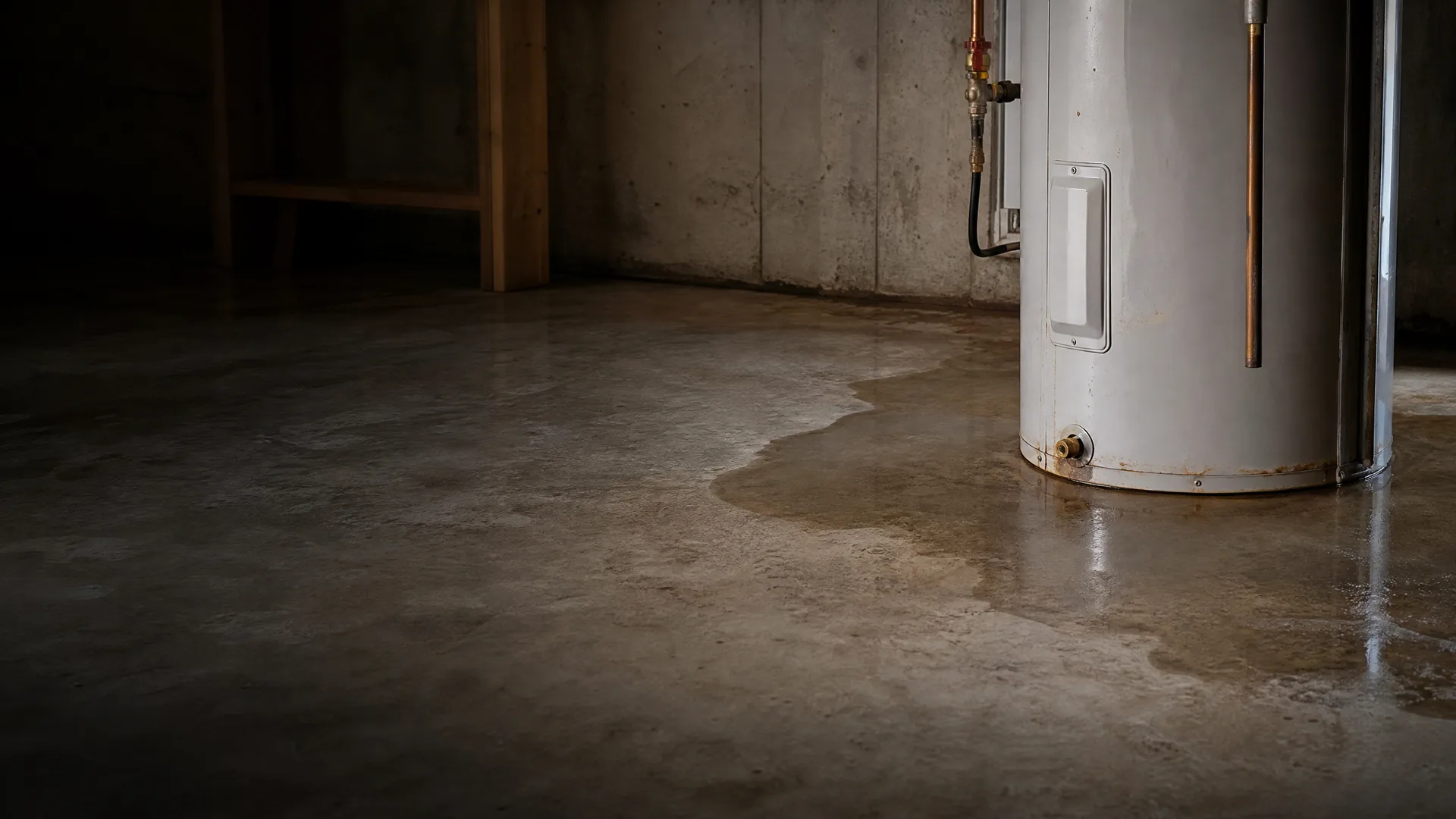
It's a Saturday morning in late July, the kind of South Dakota day that's warm but not sticky, and you're headed down to the basement to grab something out of the chest freezer. You notice the carpet by the stairs feels damp under your socks before you even see it. At the bottom, there's a shallow pool spreading out from the base of the tank, maybe a foot wide, creeping toward the drain. The floor around it is wet enough that you can see your footprints. You crouch down and touch the metal near the bottom seam, where the water seems to be coming from, and it's cool to the touch. Upstairs, nobody's noticed yet. The dryer is still running.

What this comes down to
Running out of hot water fast means something specific failed, not the whole tank wearing out. On a gas water heater it's usually the dip tube or the burner. On an electric one it's usually the lower element or its thermostat. Either way the part can be checked and most of the time it can be fixed without replacing the tank.
You already know which part of your day this breaks. A technician still has to find a local contractor, explain the cold shower and the timing of it, and figure out who actually works on your type of tank before any of that search even starts. Converting here skips that part. You get one licensed contractor in South Dakota who services gas and electric water heaters all year and knows the dip tube from the thermostat before they walk in, instead of a handful of companies calling back and asking you to describe the problem again.


Water Heater Repair
Skip the search

- Tell a local repair pro what your water heater is doing.
- A local pro who knows water heaters gets your details and gets in touch.

- Send the request today and let a water heater pro reach out to you.
- Get the water heater repair search off your mind today.

- Explain the job once and skip repeating it on every call.
- Skip searching for a water heater pro and answer a few questions instead.

- Your request goes to one pro, not a list of companies.
- The pro who reaches out is licensed in South Dakota.