 Send it today
Why your hot water smells like rotten eggs in South Dakota
Once you send the form, finding a pro is off your list.
The smell shows up at the tap, usually hot water only, and it's your water heater, not your well or your city supply. That rotten egg odor comes from the anode rod inside the tank reacting with the water. Some water has more sulfate-reducing bacteria in it than others, and once that reaction starts, it doesn't stop on its own.
You don't have to live with it, and you don't have to figure out which part is causing it before you ask for help. That's the part that usually eats a Saturday: searching for someone who works on water heaters, calling a few, explaining the smell three different times, then sitting with quotes trying to guess which one is fair.
Send the form on this page and that work is done. You're not the one tracking down a contractor anymore. That job moves off your plate, not faster, just no longer yours to carry.
Gas water heaters are common here in South Dakota, and the fix depends on what's actually going on with the rod and the tank, which is something a contractor sorts out in person. What matters right now is that you don't have to sort out the search for help on top of the smell in your own house.
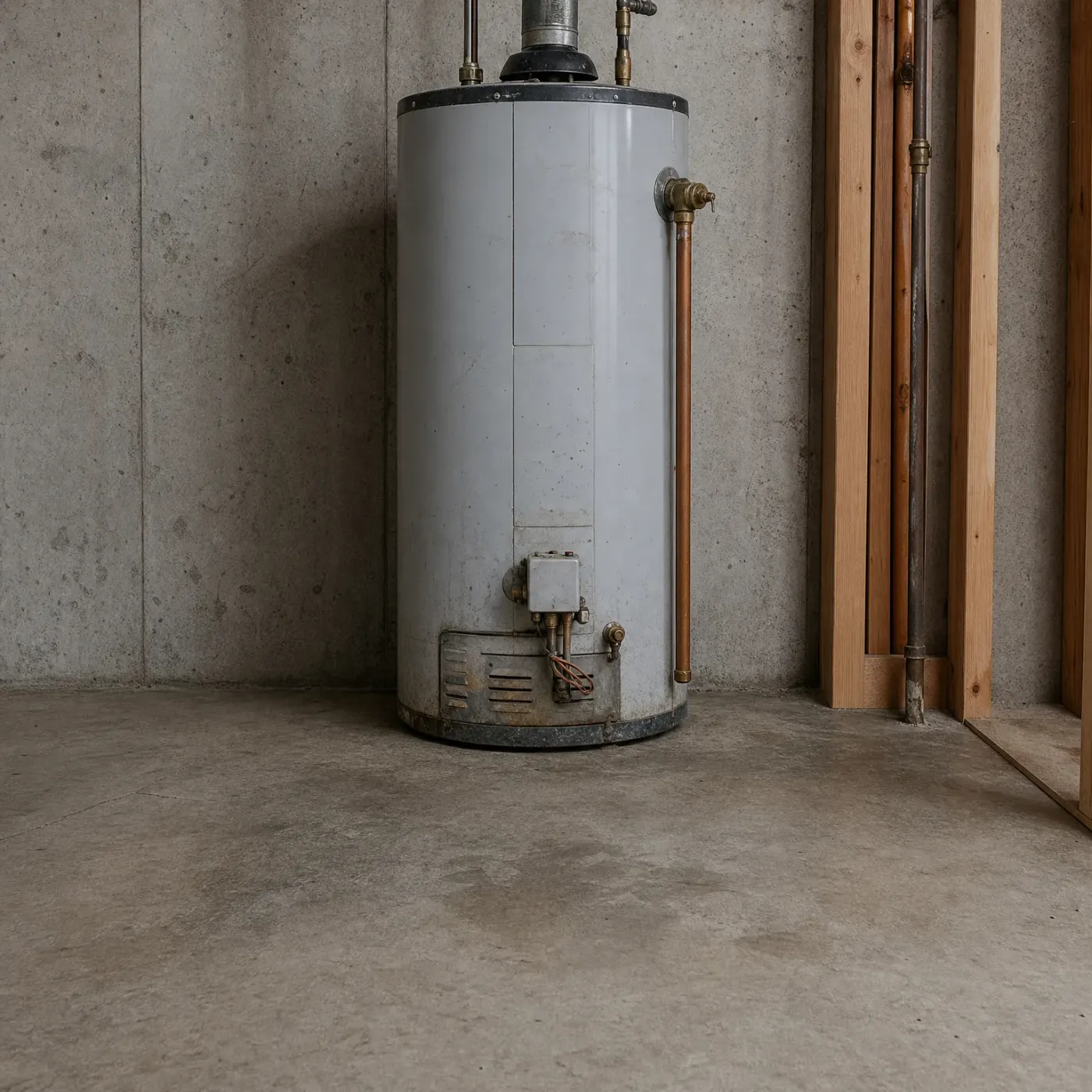
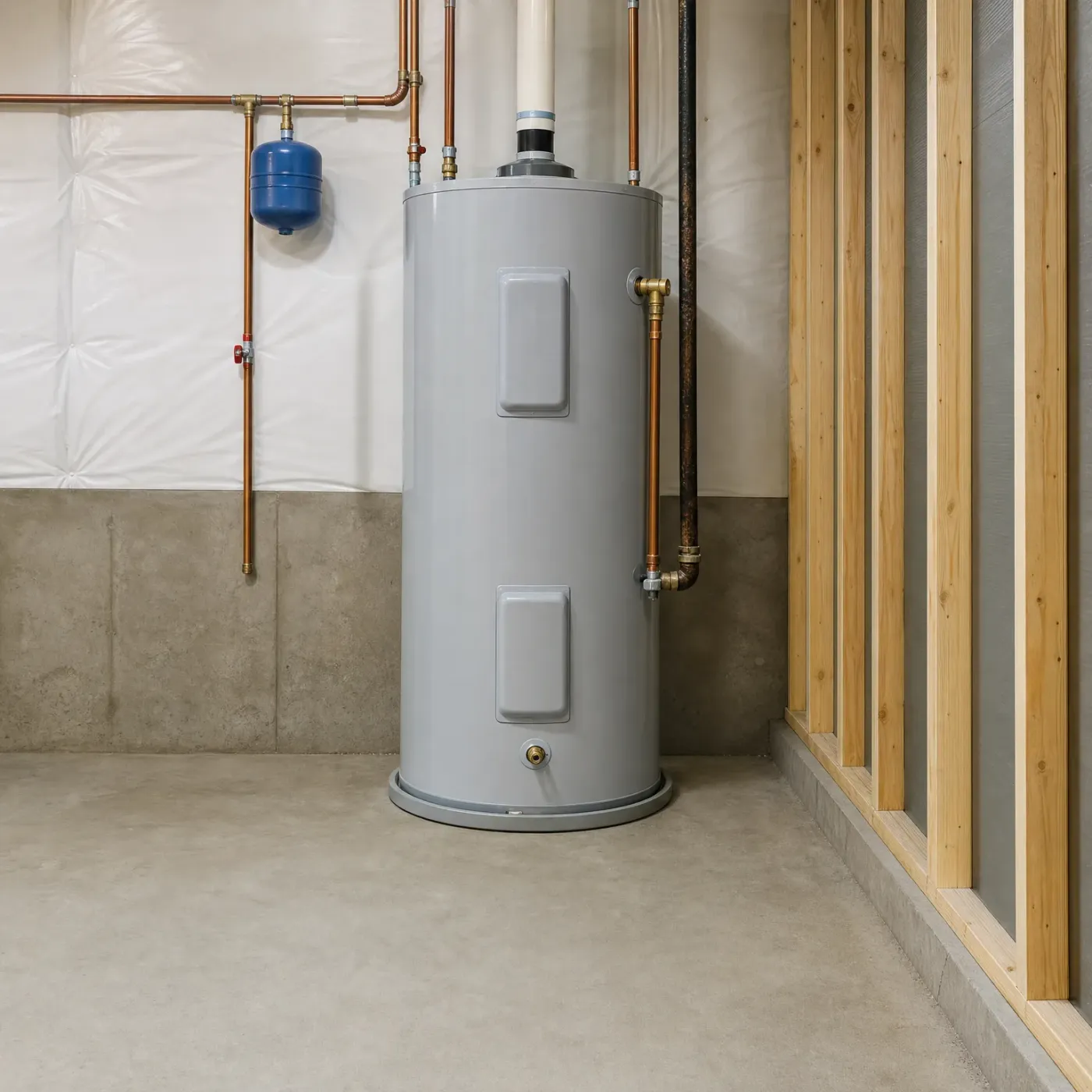
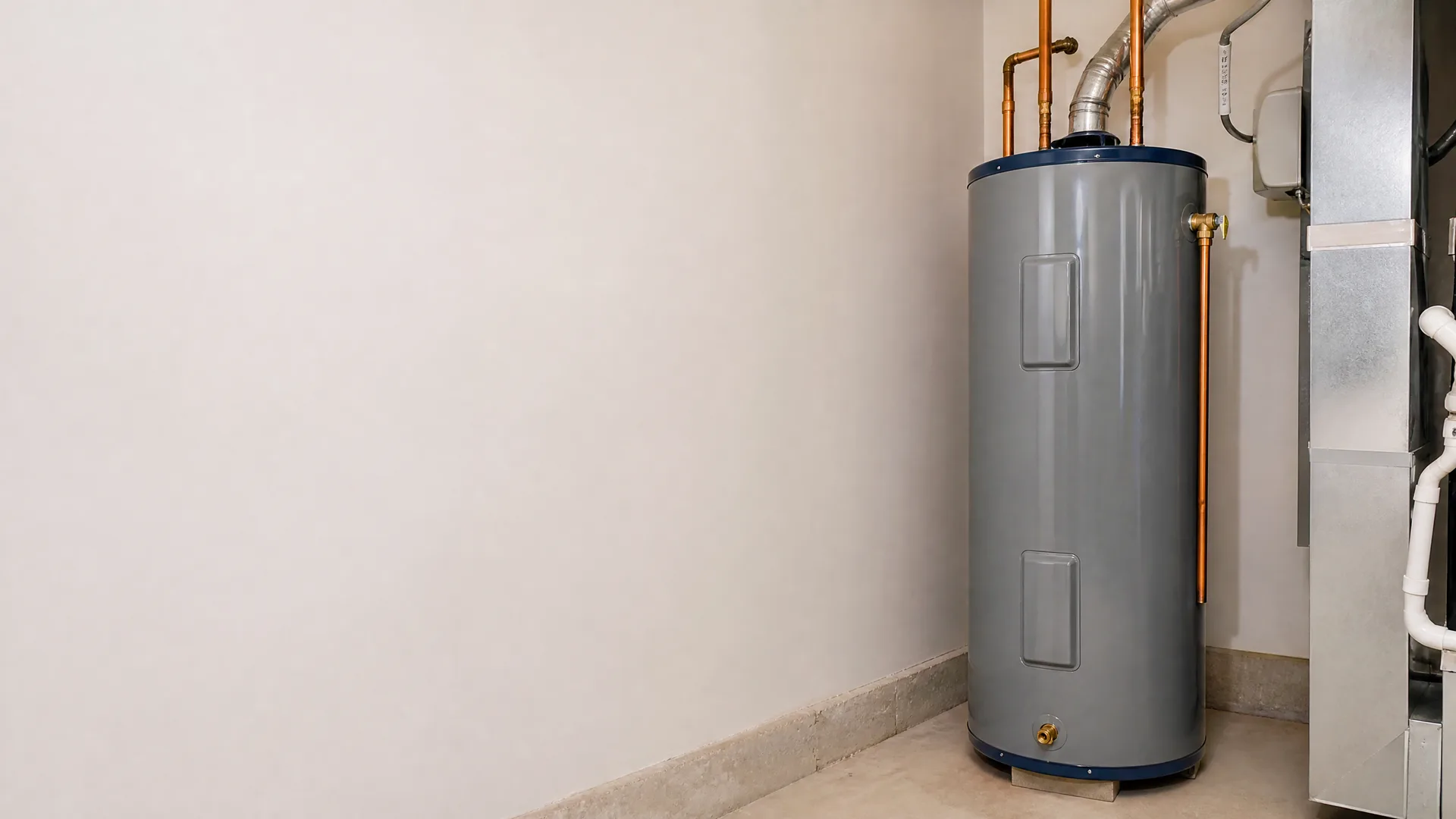
The anode rod sits inside the tank to protect the steel from rust, and as it wears down it can react with bacteria in the water to produce hydrogen sulfide gas. That gas is what smells like rotten eggs, and it shows up in hot water because that's where the reaction happens, not in the cold line. Most homes in South Dakota run on gas water heaters, and the smell has nothing to do with the gas itself, it's the water inside the tank. It tends to get worse if the water heater sits unused for a while, which is common if a tank serves a bathroom or sink that doesn't run every day. The fix usually means replacing the anode rod, flushing the tank, or in some cases swapping to a different rod material that reacts less with your water. Left alone, the smell doesn't go away on its own and the tank won't fix itself.




Why the Smell Keeps Coming Back
- Magnesium anode rods react with sulfate more than aluminum rods do, so swapping the rod type can stop the smell.
- A tank left hot and unused for a few days gives bacteria time to build up, which is common in a spare cabin or guest bathroom.
- Raising the tank thermostat above 140 degrees for a few hours kills most of the bacteria causing the reaction.
- Draining and flushing the tank clears out the sediment where bacteria tend to collect at the bottom.
- A plastic or powered anode rod removes the reaction entirely since it doesn't corrode the same way a magnesium or aluminum rod does.
- If the smell comes back fast after a flush, the rod itself is likely gone and needs replacing.
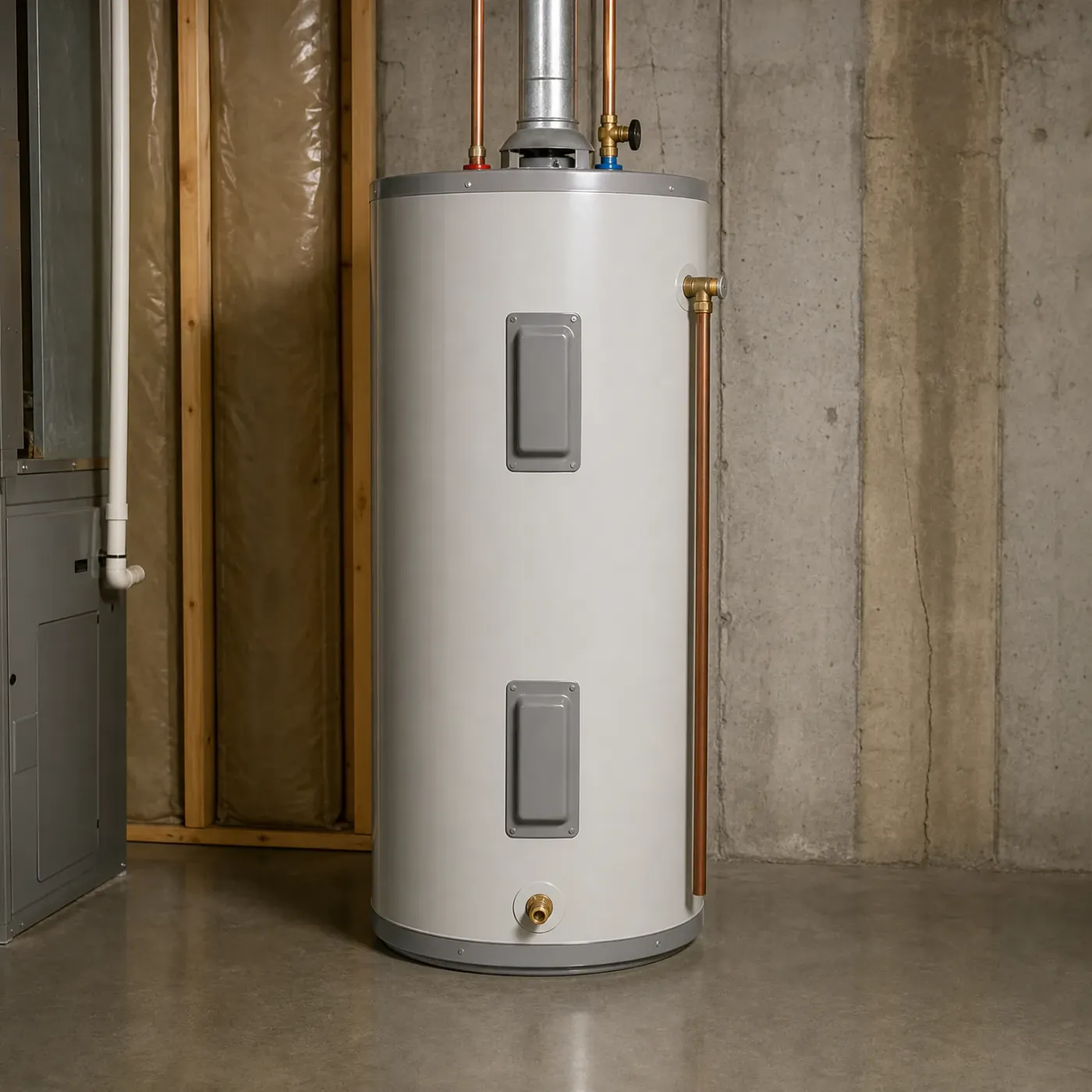
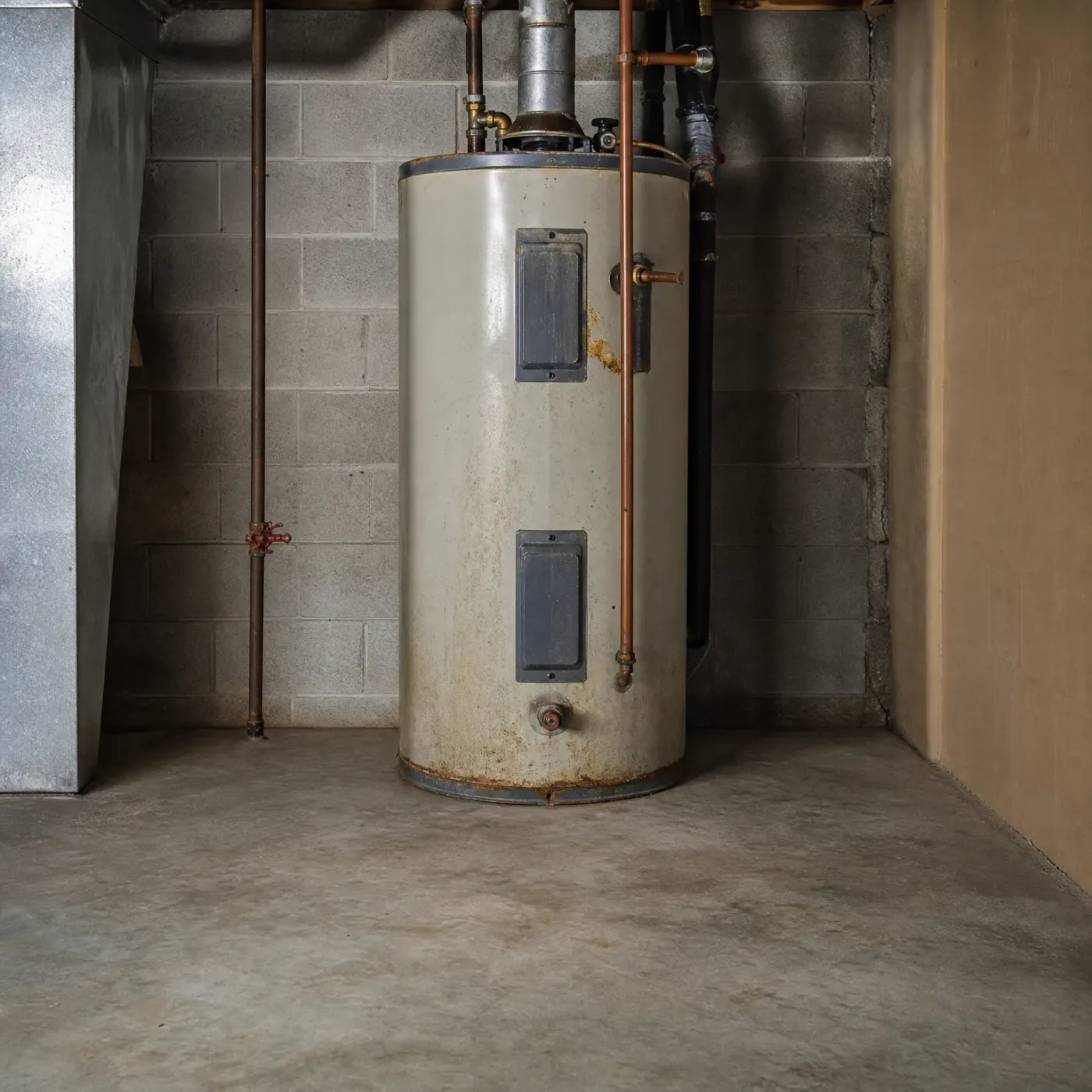
The rod inside your tank is there on purpose. It's a sacrificial anode, usually magnesium, and it's built to corrode so the steel tank doesn't. That corrosion is normal. The problem starts when the magnesium reacts with sulfate bacteria in the water and produces hydrogen sulfide gas, which is what you're smelling at the tap. Some water has more of that bacteria to begin with, and a tank that sits unused for a few days, like in a cabin or a spare bathroom, gives it time to build up without hot water flushing it out. Sediment at the bottom of the tank gives the bacteria a place to collect, so a full drain and flush often helps on its own. Running the thermostat above 140 degrees for a few hours can kill off most of the bacteria causing the reaction, though that's a temporary fix if the rod itself keeps reacting. Switching to an aluminum or zinc rod changes the chemistry enough to stop it for some homes. A plastic or powered anode rod skips the reaction entirely, since it doesn't corrode the way a metal rod does, but it also means the tank loses that sacrificial protection unless it's the powered kind. If the smell returns within days of a flush, the rod is probably worn through and needs a straight swap, not another round of flushing.
It's off your list after this
A smell like that doesn't fix itself, and it won't go away because you bought a new showerhead or a different soap. The rod keeps reacting with the water until someone pulls the tank apart and deals with it, and most homeowners don't know a plumber who does water heater work versus one who just does pipes. You'd be calling around South Dakota, explaining the rotten egg smell to three different people, getting three different quotes, and trying to guess which one actually knows anode rods from the rest of the tank. That's the part worth skipping. Send the request once and the search is done, the comparing is done, the re-explaining is done. You still have a water heater that needs work, but you're not the one finding who does it anymore.
47.6% of homes statewide heat with gas
Most houses in South Dakota run on gas for heat, and if yours is one of them, the water heater is probably gas too. Gas water heaters hold the same anode rod that reacts with bacteria in the tank, so the fuel type doesn't spare you from the smell.
ACS 2020-2024 5-year B25040

Why the smell comes and goes
A tank sitting hot and still gives bacteria time to work on the rod, so the smell can build over a few days and fade once the water's been run. If you've got a bathroom nobody uses much, or a basement sink that only sees weekends, check that tap on its own. It can carry the smell long after the kitchen faucet runs clear.
The rod isn't optional
Pull the anode rod out for good and the smell might stop, but the tank starts rusting from the inside with nothing to protect it. That's a straight trade of one problem for a worse one. A plumber can swap the rod type or adjust the tank instead of just yanking it, which is the difference between fixing this and setting up a leak for next year.

The smell has one cause, and one fix
The rotten egg smell comes from the anode rod reacting with bacteria in your tank. It doesn't matter if the water heater is gas, electric, old or new. Someone has to open the tank, look at the rod, and either replace it or deal with the water causing the reaction. That part doesn't change no matter how long you wait or what you try at the tap.
What can change is how much of this is still your problem once you ask for help. Right now that means finding a plumber who works on water heaters, calling around to see who's available, explaining the smell and when it happens all over again to each one, then weighing their quotes against each other. Send the form and that work moves off your plate. You're not left searching on your own time for someone who knows what this is.



Water Heater Repair
Hand off the search today
Describe what your water heater is doing once, in one form.
