Why your water heater makes popping noises in South Dakota
Describe your water heater job, and a local pro who handles it gets in touch.
That popping or rumbling in your water heater is sediment, plain and simple. South Dakota water leaves mineral deposits that settle at the bottom of the tank. As the burner heats the water underneath that layer, steam bubbles form and push up through it, and the popping sound is those bubbles breaking free. It happens to gas water heaters more than electric ones, and most homes here run on gas.
The noise by itself won't strand you without hot water. But that sediment layer sits between the burner and the water it's supposed to heat, and the burner has to work harder to get through it. Left alone, it can shorten how long the tank lasts.
Figuring out whether yours needs a flush, or whether something else is going on, is easier with eyes on the unit. A plumber who works on water heaters around South Dakota every week has seen this exact noise plenty of times and knows what to check first, and what it usually turns out to be.
Answer a few questions about your water heater and your location, and you'll be matched with one licensed local plumber, not a handful of companies competing for your callback. They'll reach out directly, already knowing what you told them about the noise and the unit, so the first conversation isn't spent explaining the basics again.
From there, it's a conversation about your specific tank and what it needs.
Why does my water heater make a popping noise?
You hear it most when the burner first kicks on, a popping or cracking sound coming from down low in the tank. It can sound alarming, like something is about to break, but it's one of the most common calls a water heater tech gets. It usually means the tank has been building up sediment for a while and the water heater is working harder than it should to do its job.
It's sediment trapped at the bottom of the tank, boiling under the burner
South Dakota water carries minerals that settle to the bottom of the tank over time, forming a layer of sediment. When the burner fires, water trapped under and inside that layer heats faster than it can escape, so it turns to steam and pushes up through the sediment in small bursts. That's the popping you hear. The noise alone won't strand you without hot water, but the sediment layer sits between the burner and the water above it, so the burner runs longer to get the same result. Left alone, that buildup also wears on the tank itself. A plumber can flush the tank and tell you whether the sediment has already done damage worth addressing.
What the sediment does over time
The layer at the bottom of the tank doesn't just sit there. It hardens, and it insulates the burner from the water it's supposed to heat. Gas has to burn longer to get the same result, since most homes here run gas water heaters. The tank works harder for the same hot shower, and that layer only gets thicker without a flush.
Why the noise gets worse, not better
Sediment builds in layers, a little more with every tank of water heated. The first pops might be faint, easy to miss. Months later they're sharp enough to hear from another room. The popping doesn't mean the tank is failing right now, but the layer causing it doesn't go away on its own, and a contractor who services tanks every week can tell how much has built up and what it's doing to the steel underneath.
47.6% of homes statewide heat with gas
Gas heats more homes here than anything else, and if yours is one of them, the burner on your water heater is sitting right under that layer of sediment. A gas flame runs hotter against the tank bottom than an electric element does, so the popping tends to show up sooner and louder.
ACS 2020-2024 5-year B25040
A local pro for your water heater repair
Your request goes to one pro, not a list of companies.
Say what's going on with your water heater, and a pro who works on them reaches out.
Before you get your water heater repairAfter you get your water heater repair
Quiet and working right
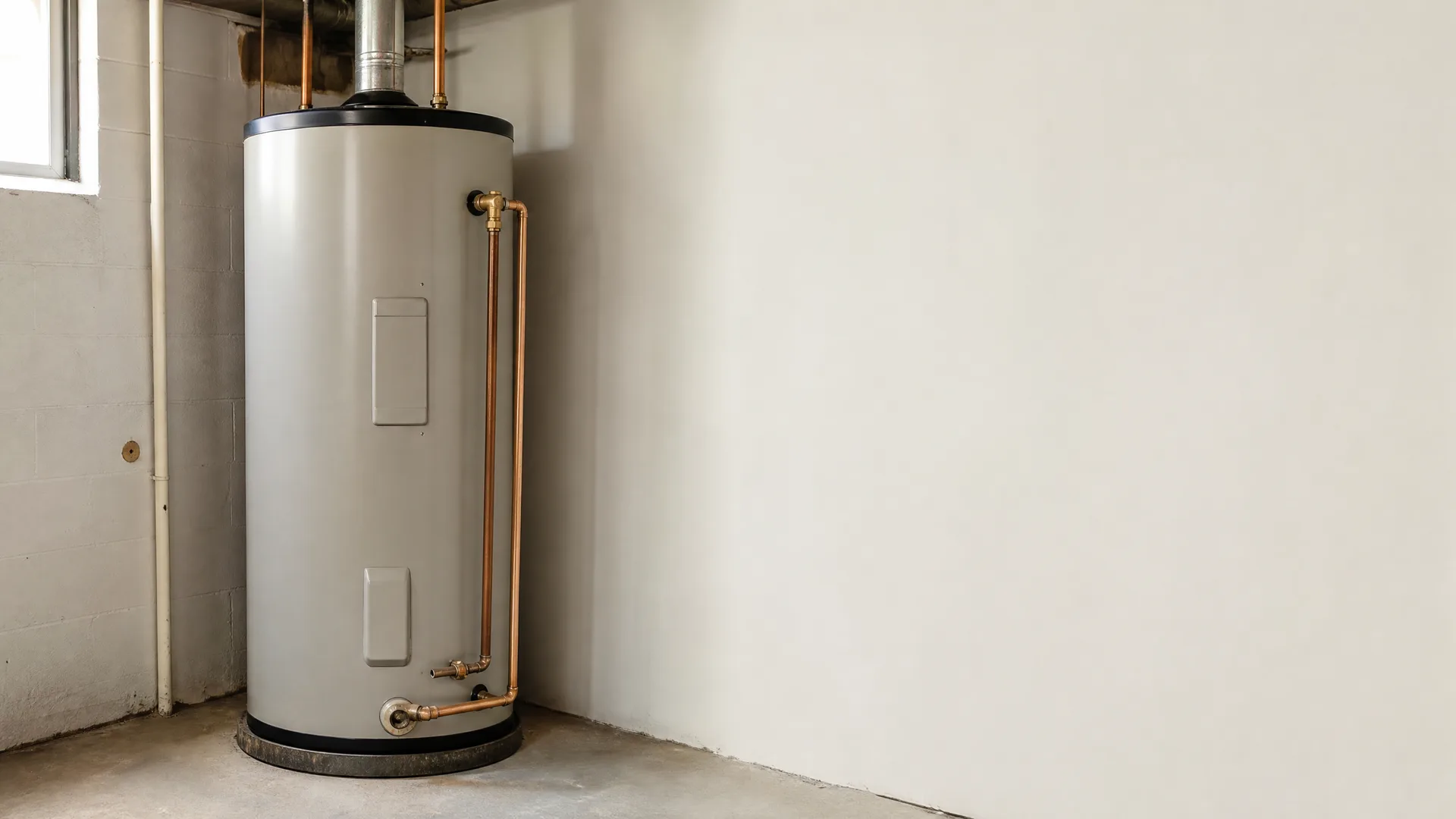
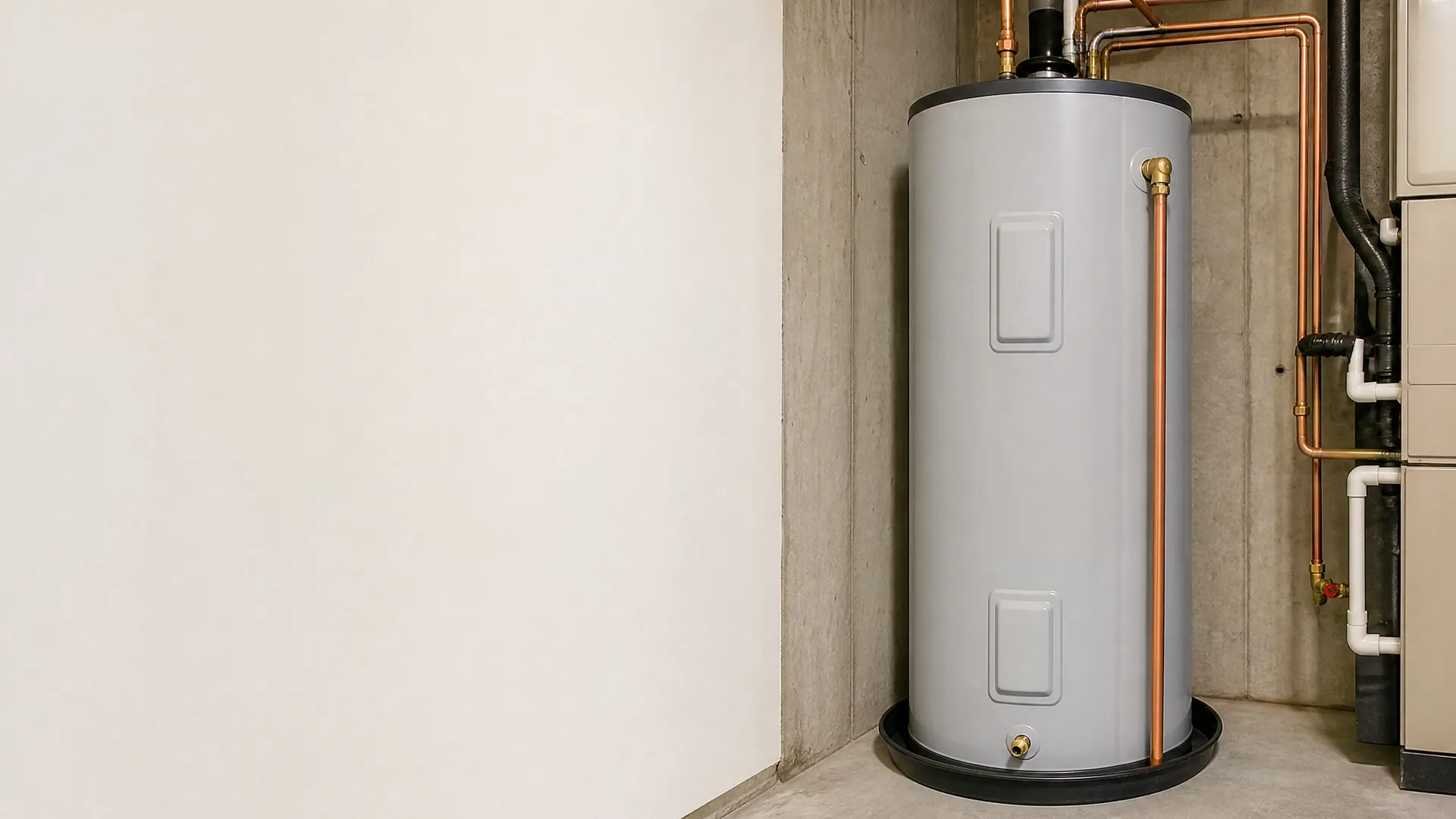
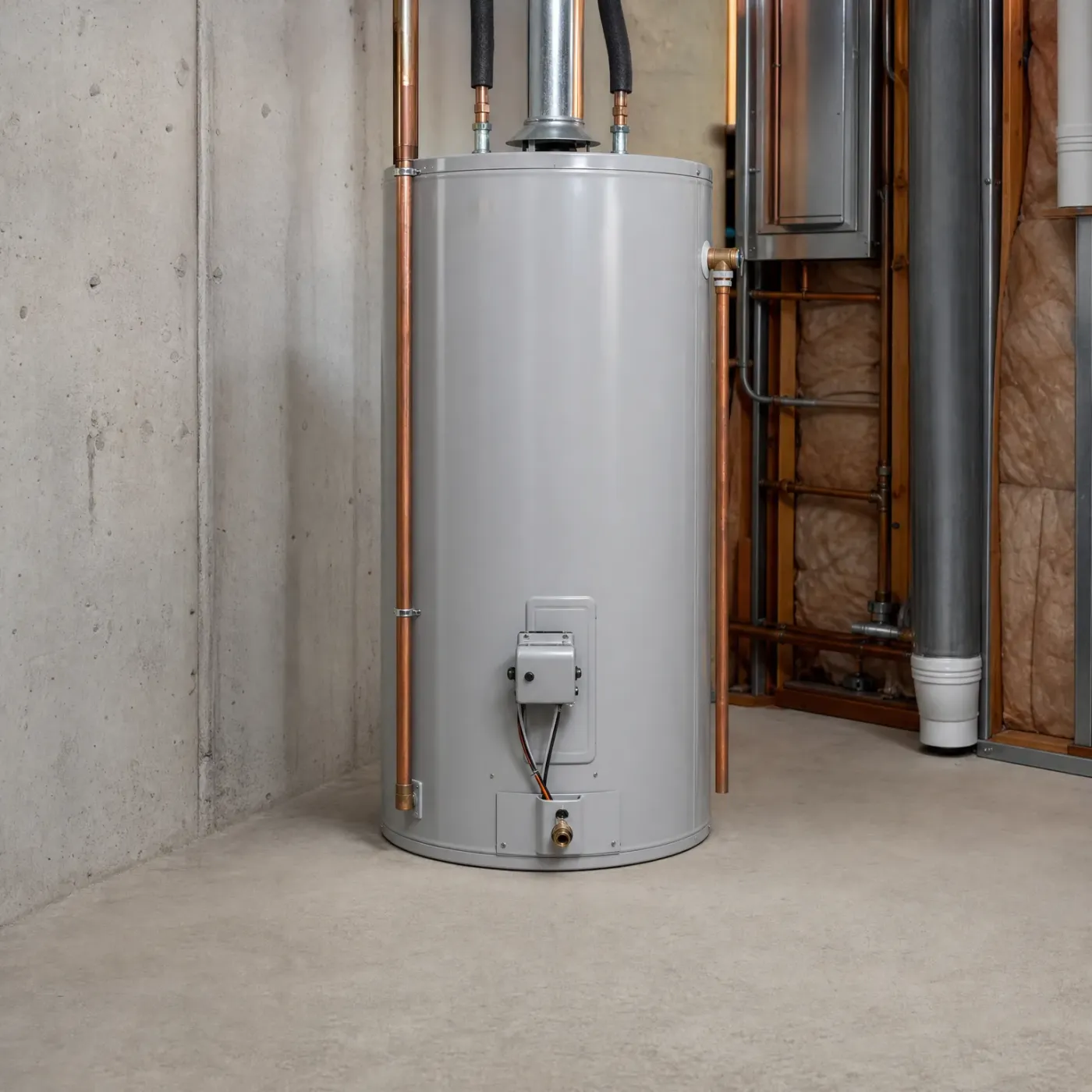
A water heater with a clean tank runs quiet. The burner heats water straight through, with nothing in the way, so you get a steady flame and even heat. No popping, no rumbling from down low. The pipes and flue just do their job without announcing it.
Sediment taking over
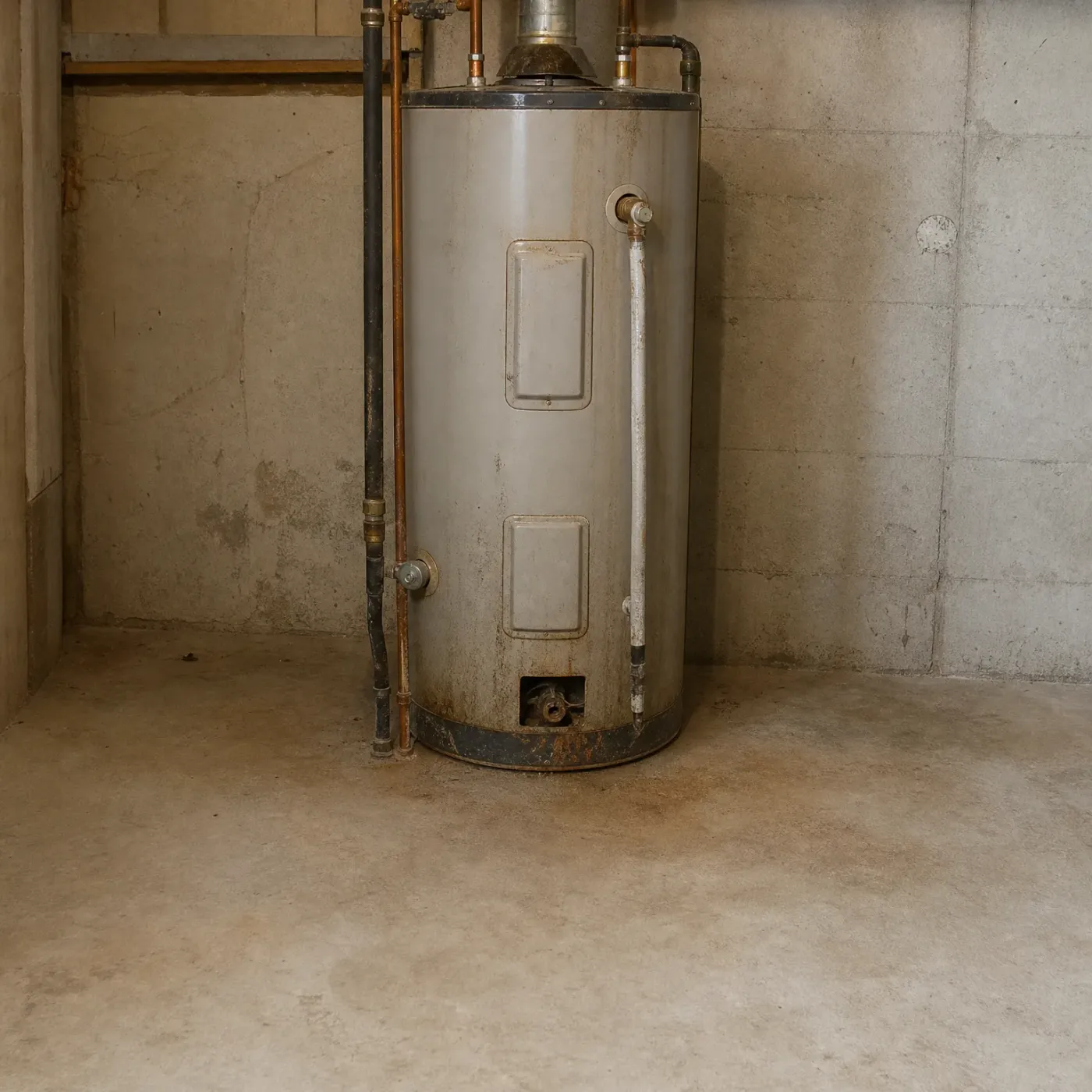
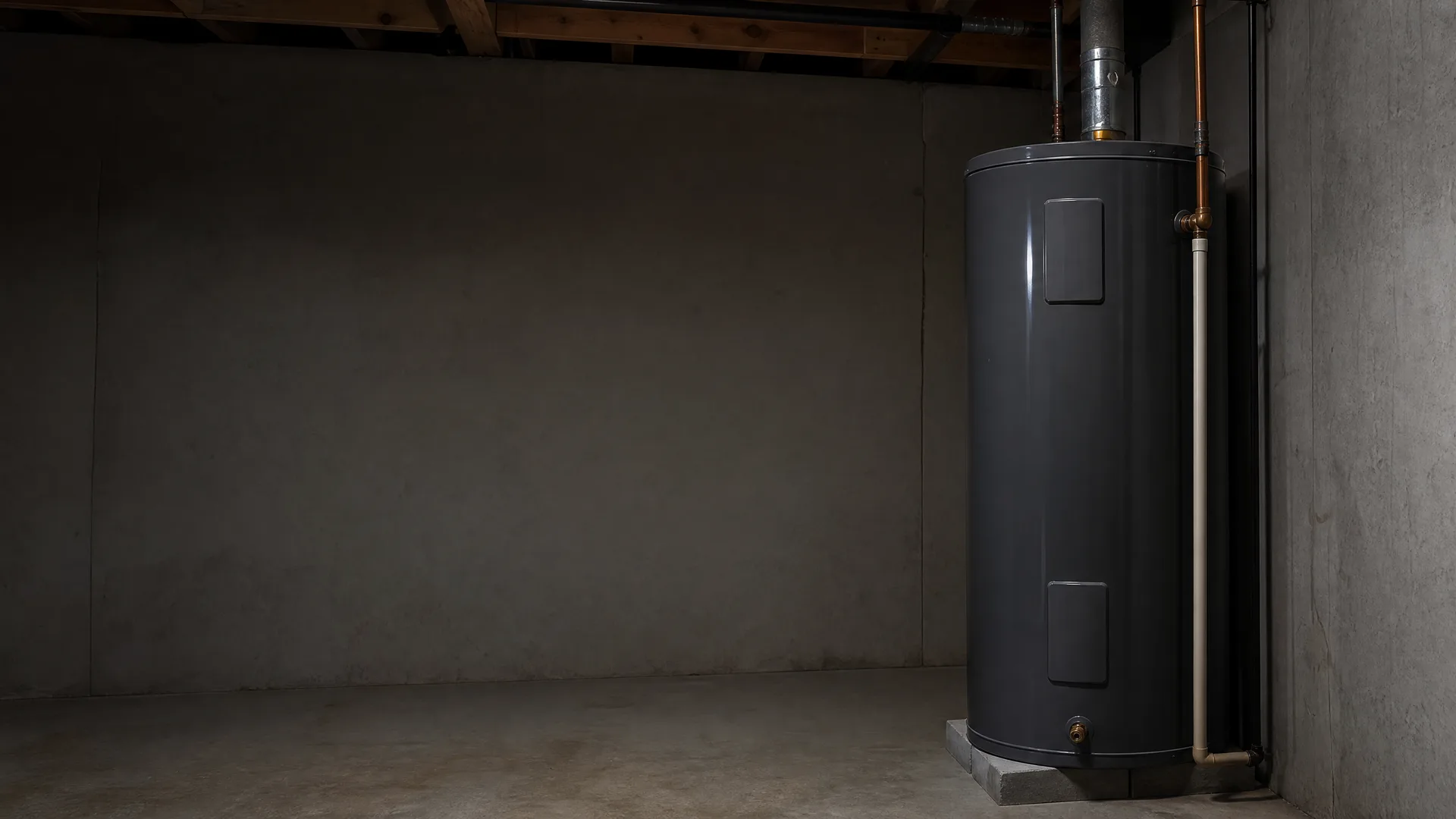
The same tank with a sediment layer built up on the bottom tells a different story. The burner fires below it, same as always, but now there's a wall between the flame and the water. That's where the popping starts, and it's a sign worth getting a local contractor to look at before it gets worse.
What that popping is costing you, night after night
You probably hear it most in the evening, when everyone's showering and the burner is working hardest to keep up. That cycling under a hardened layer of sediment means your gas bill carries the cost of heat that never makes it into the water. It also means the tank bottom is taking more punishment than it was built for, and that's usually how a slow leak starts.
A water heater that's been popping for a while doesn't fix itself, and it doesn't stay the same either. It gets louder, the recovery gets slower, and someone in the house notices the hot water running out sooner than it used to. A local contractor who works on tanks like yours all year can tell you from that sound alone whether a flush will quiet it down or whether the tank has already taken damage underneath. You'd be matched with one contractor who knows South Dakota water and hears this same thing on calls all winter, not a handful of companies competing for your number.
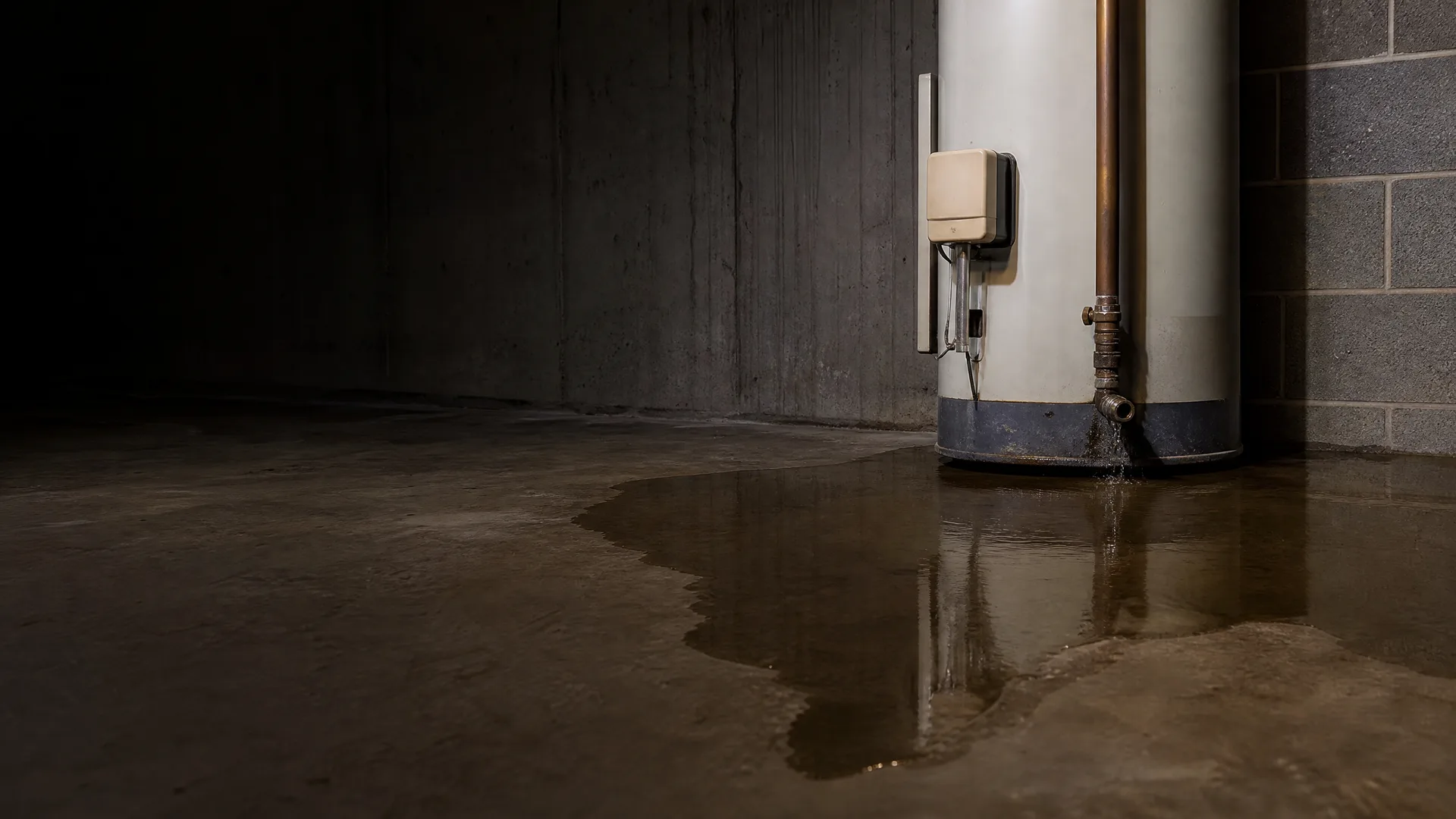
Saturday morning, and the basement is quiet except for the sound you came down to check on. You're standing at the bottom of the stairs with a laundry basket still under your arm, looking at the water heater in the corner. A pool has spread out from the base of the tank, wide enough now that it's reached the edge of the concrete and is creeping toward the drain. The popping stopped sometime in the night. What's left is the tank itself, sitting in its own water, the floor cold and damp under your socks. You set the basket down on a dry step and crouch to look underneath, already thinking about who you need to call.
The popping comes from sediment sitting at the bottom of your tank, and flushing it or replacing the tank is what quiets it down. That part's settled. What matters now is getting someone to actually do it, and a water heater packed with hardened sediment isn't a job to hand to just anyone who picks up the phone. A contractor working on tanks across South Dakota all year knows what that layer looks like after a few winters of gas burners running under it, and what it takes to clear it without cracking a glass lining that's already stressed. You'll be matched with one licensed contractor local to you, not a handful of companies competing for the callback, so the person who reaches out is the one who's actually going to show up. The noise told you what's wrong. The next step is getting your tank in front of someone who deals with this kind of buildup every week, not just whoever answers first.
Get the right pro for your water heater
The pro who reaches out is licensed in South Dakota.